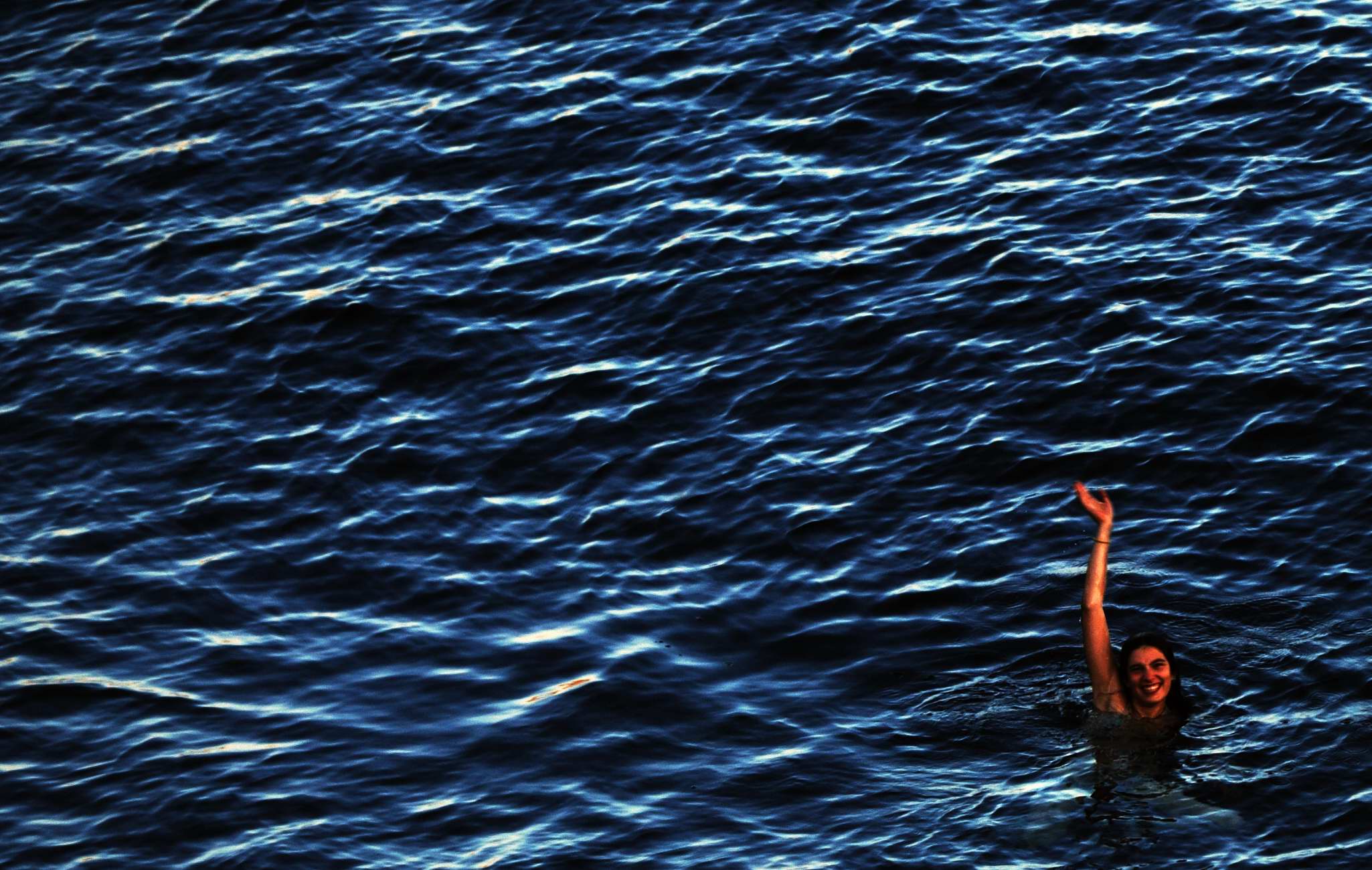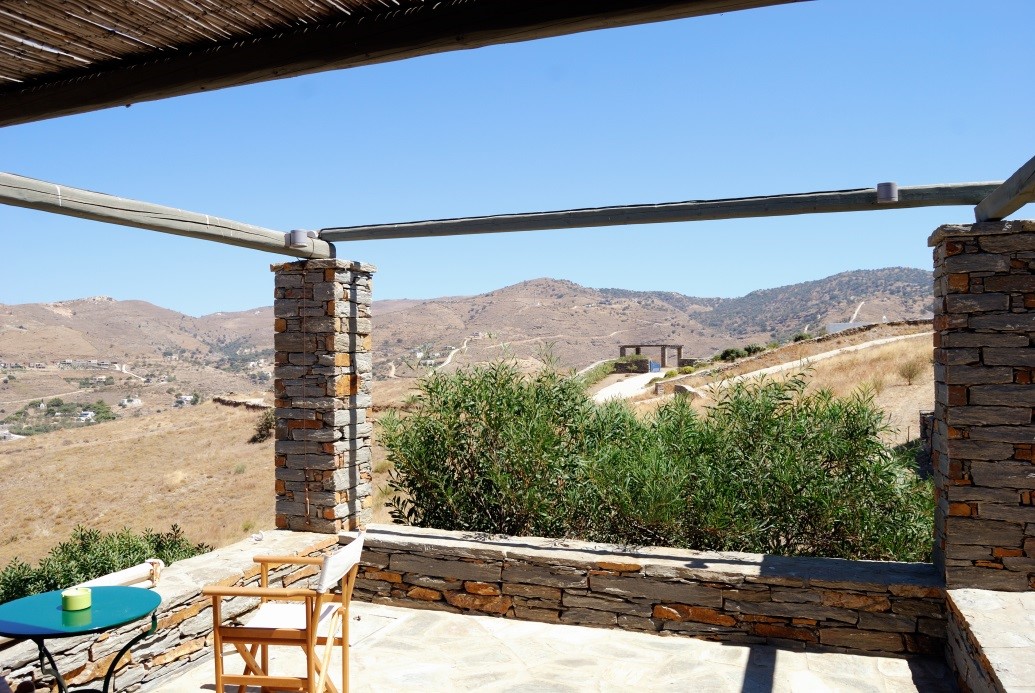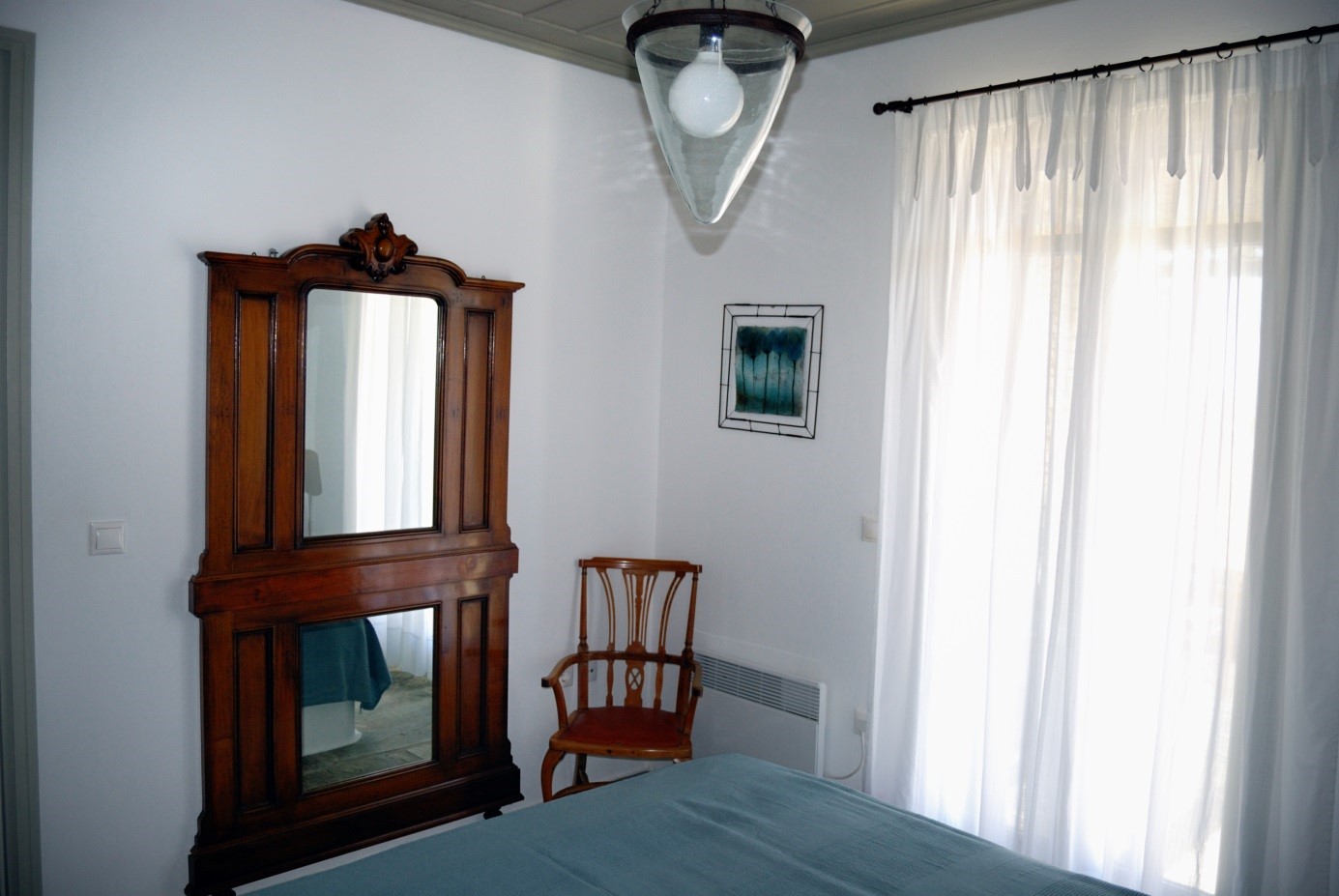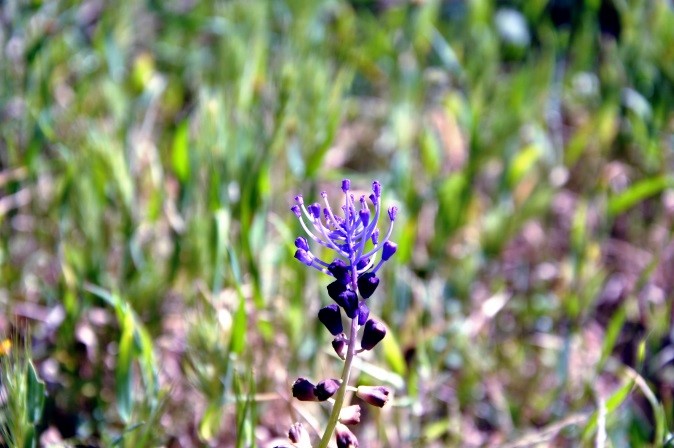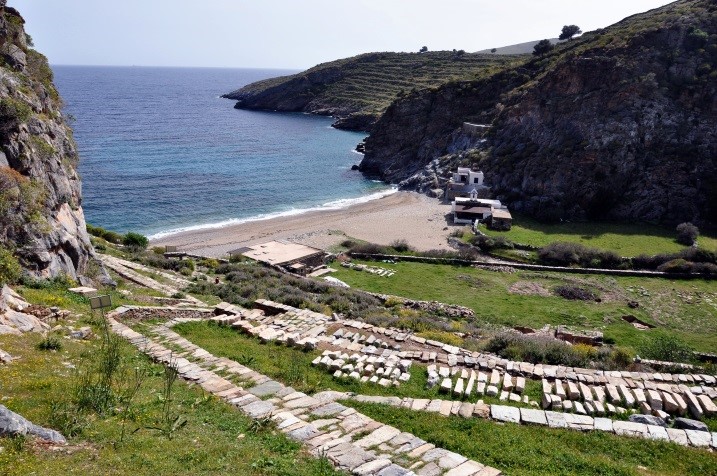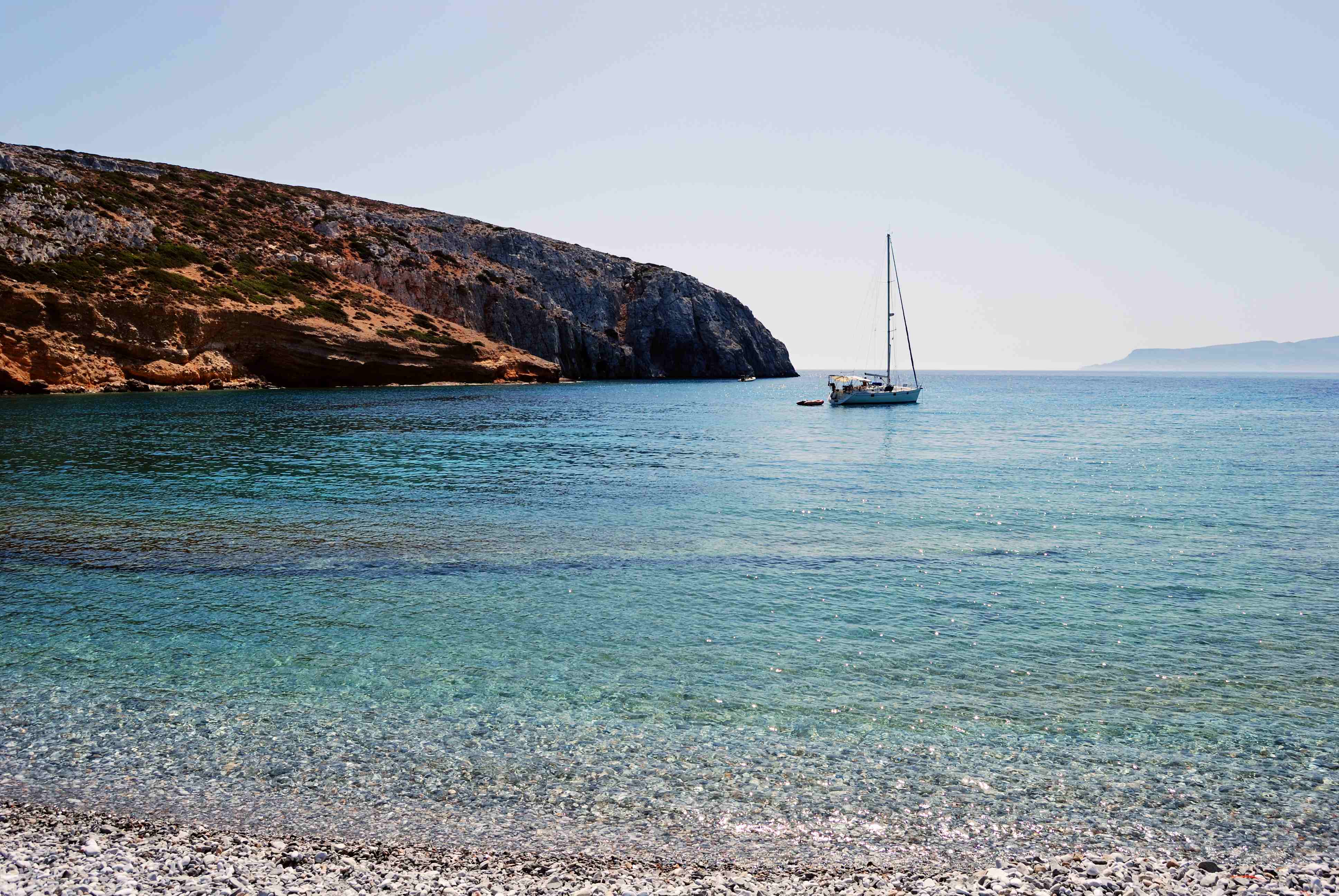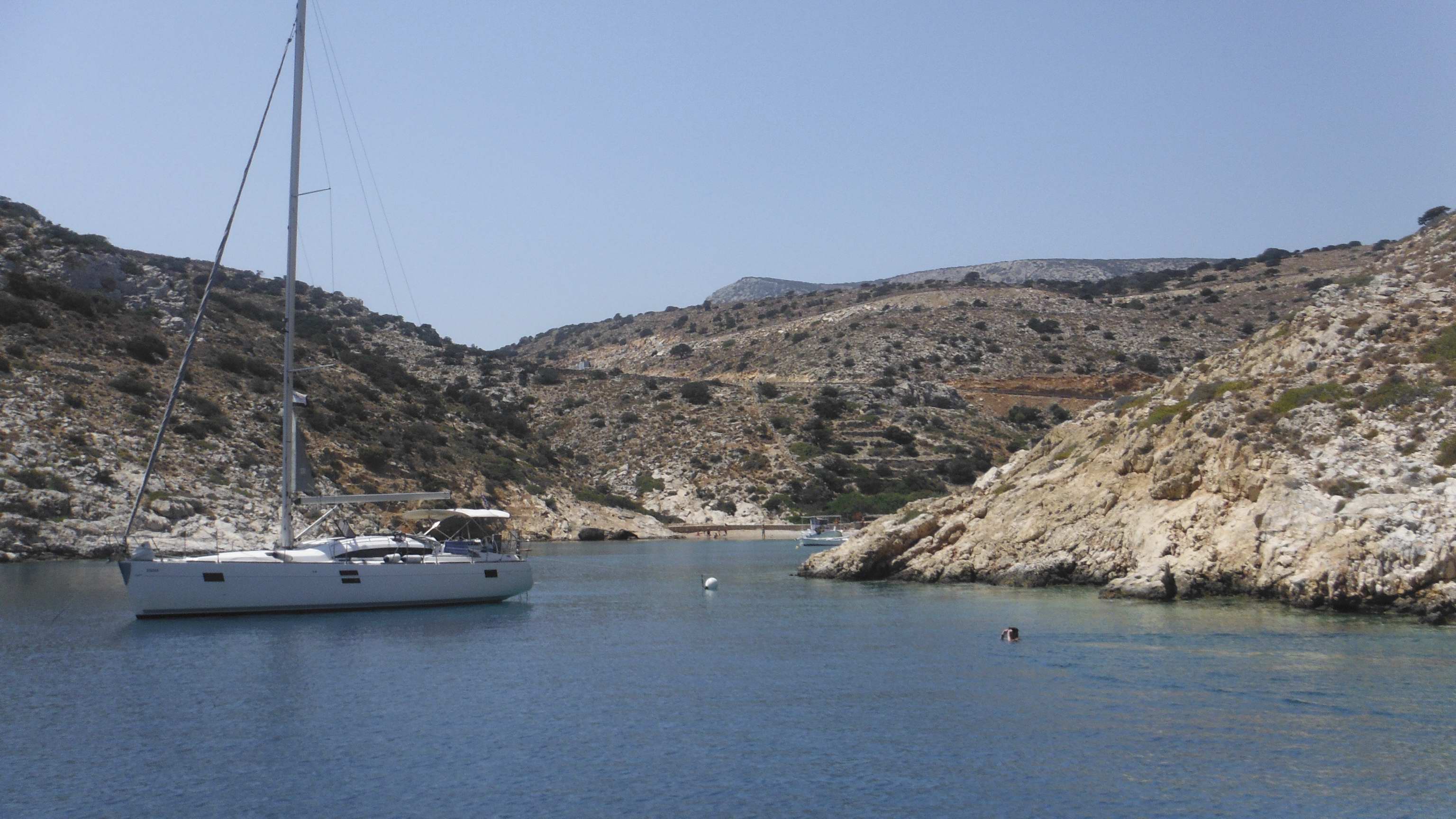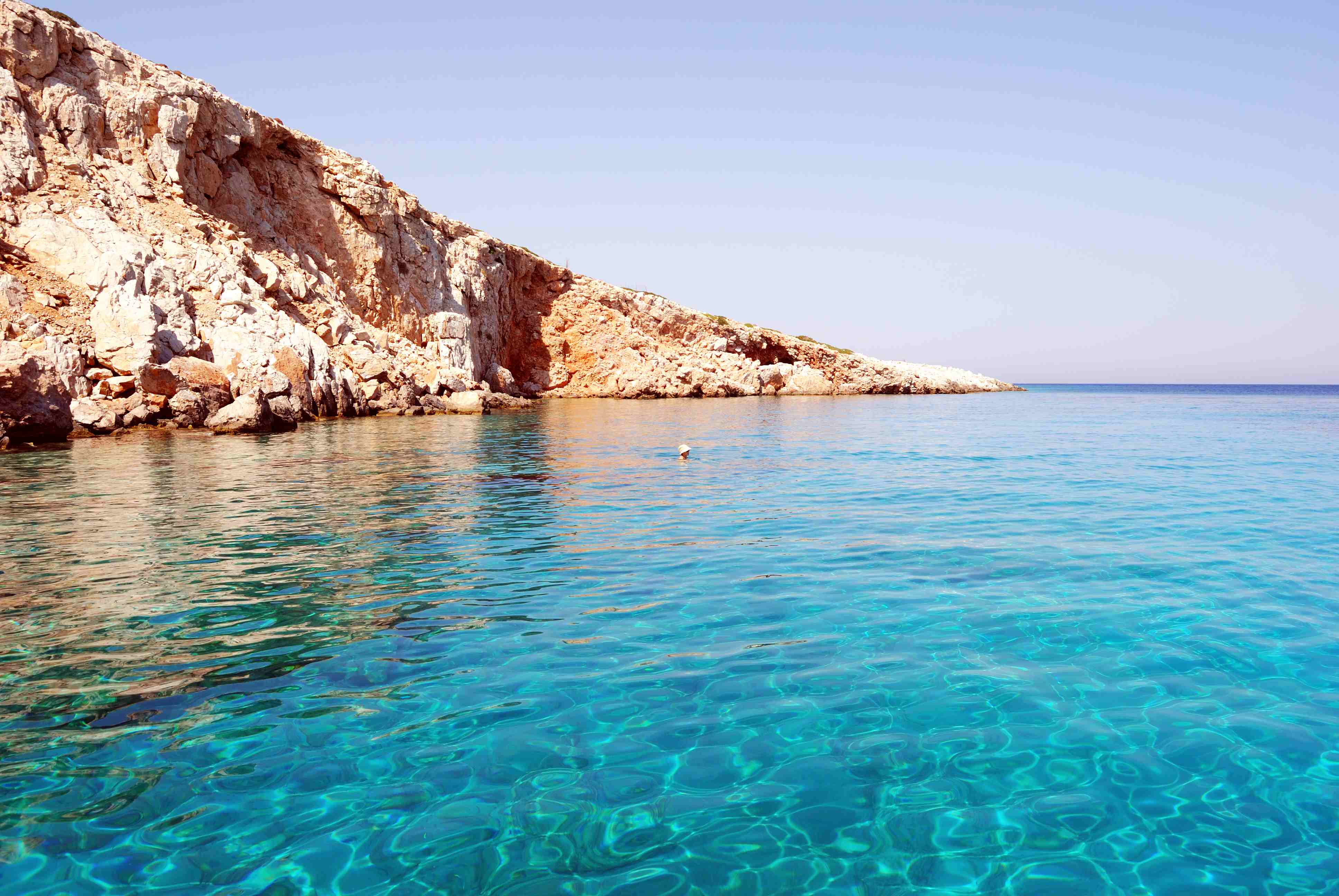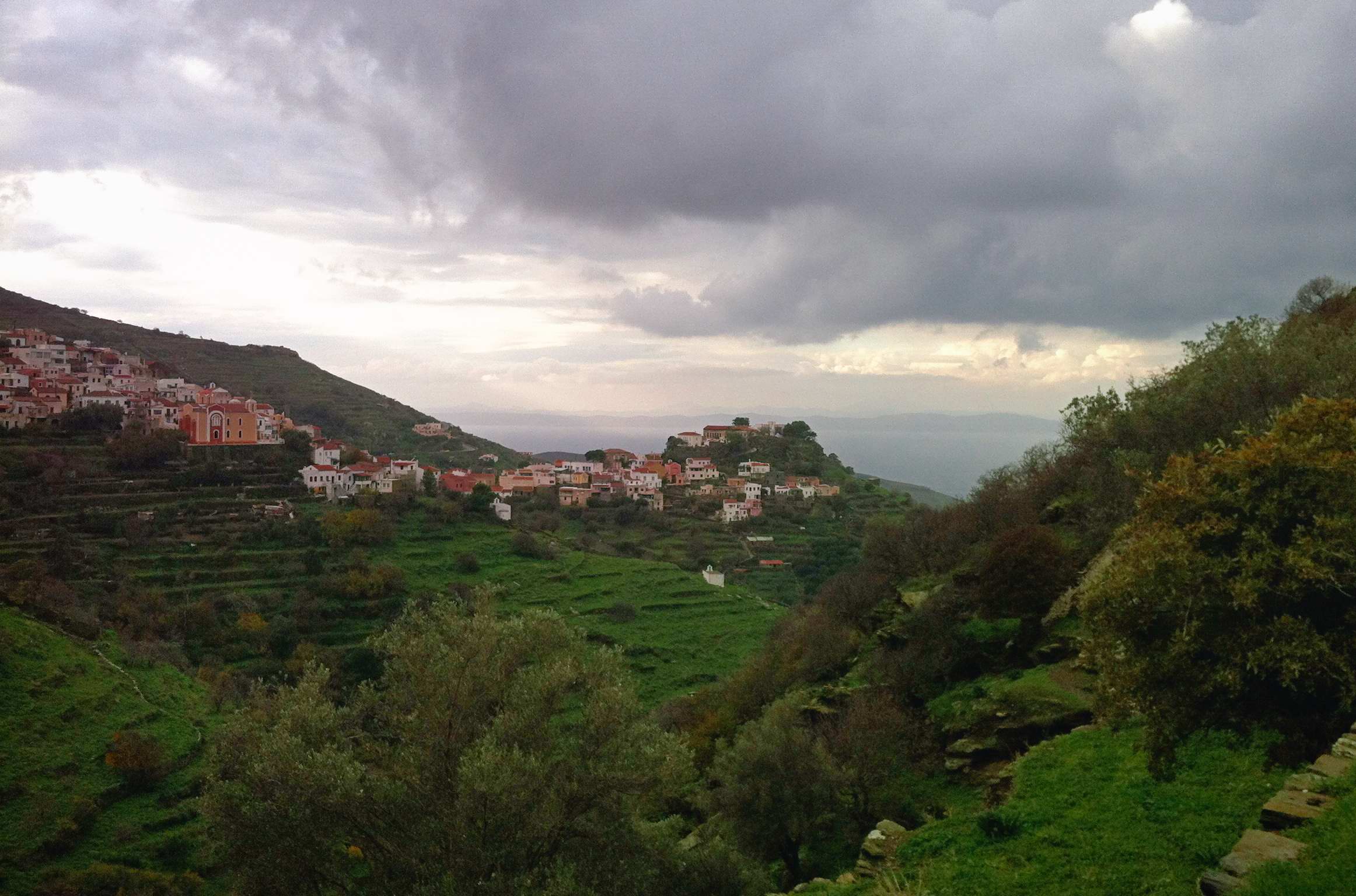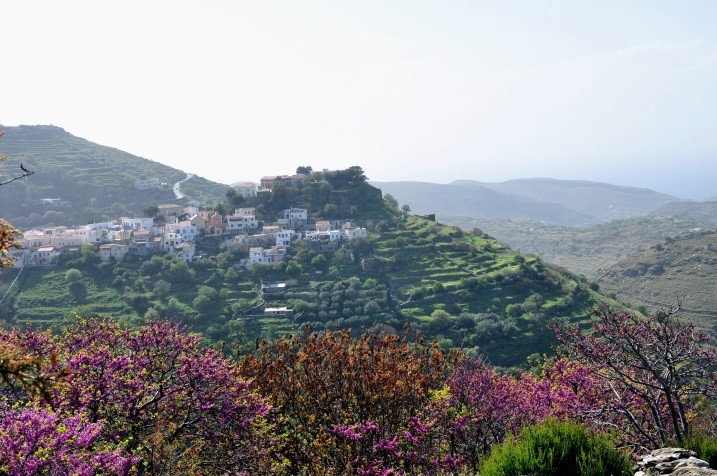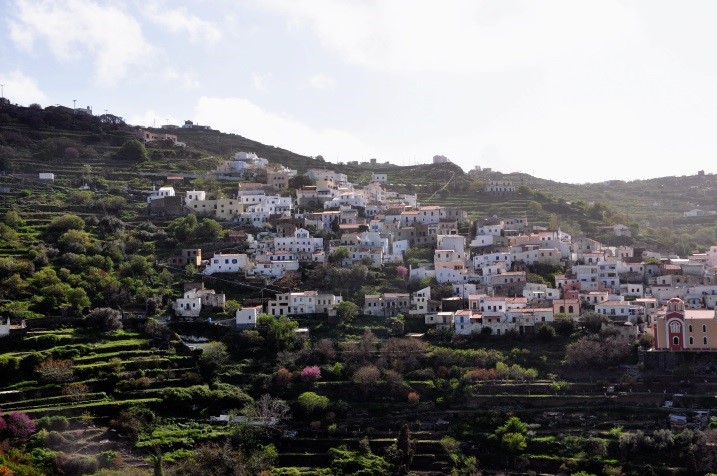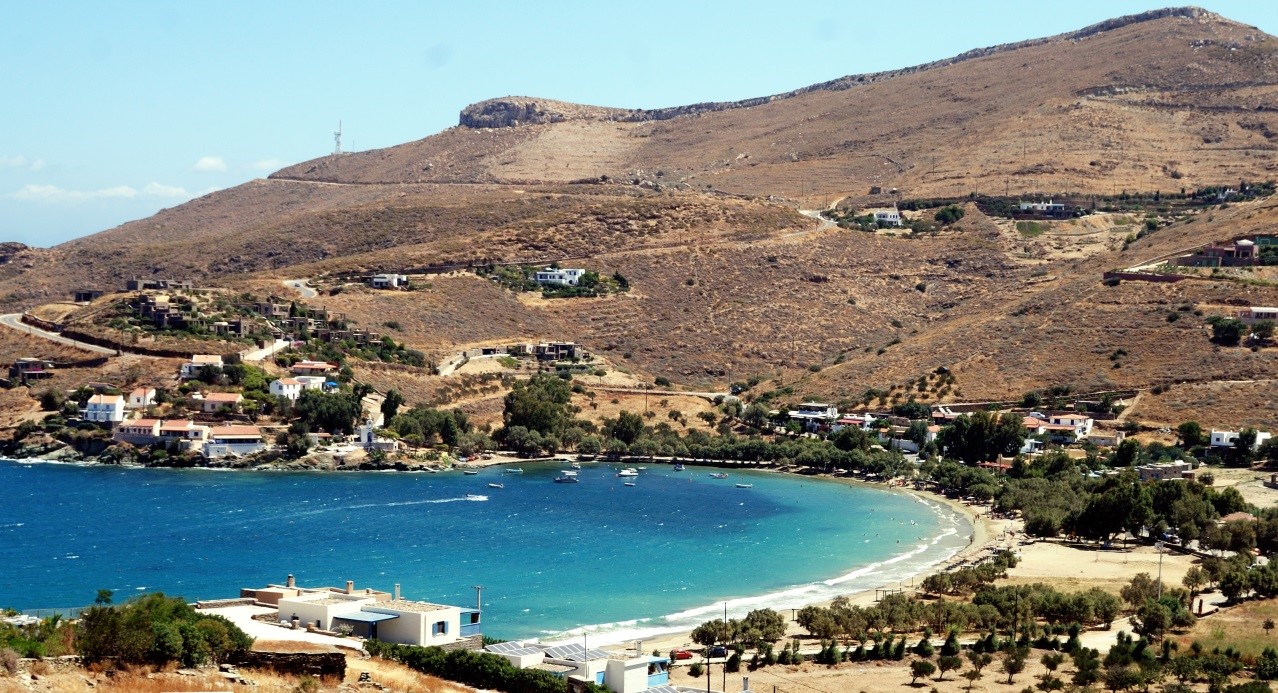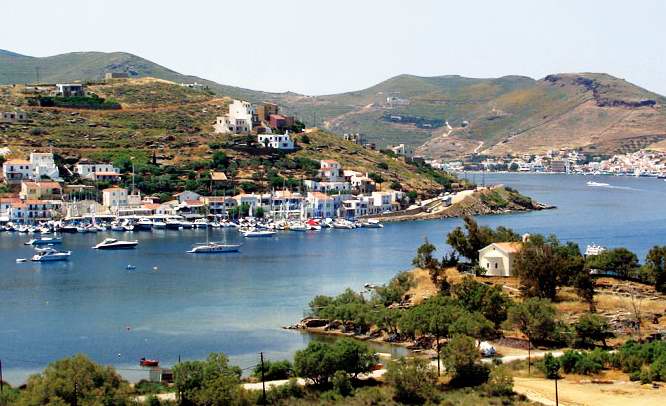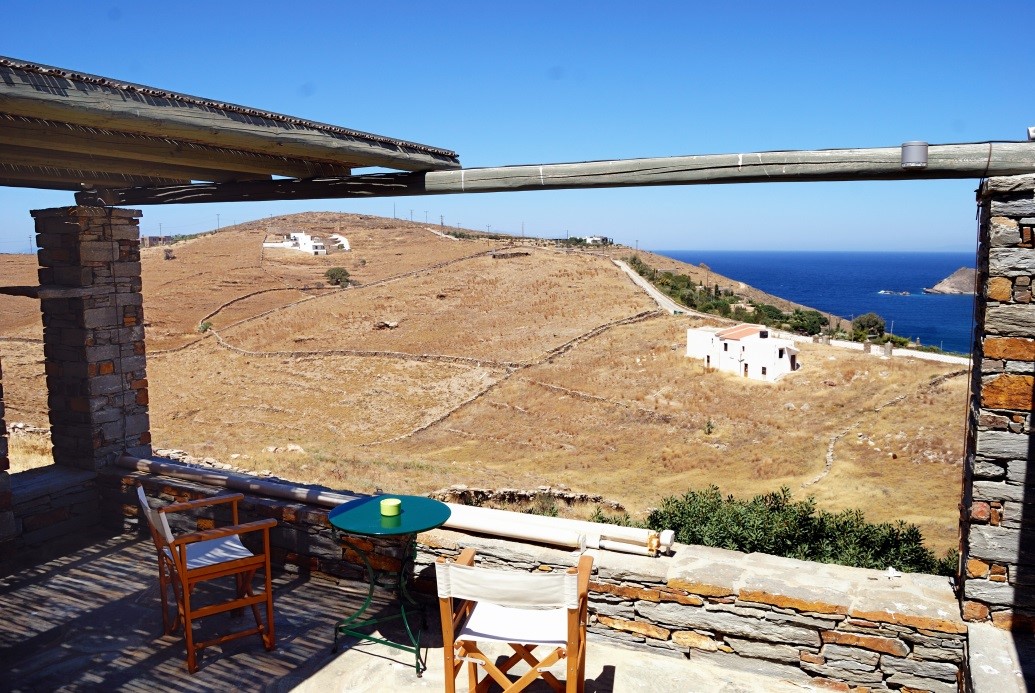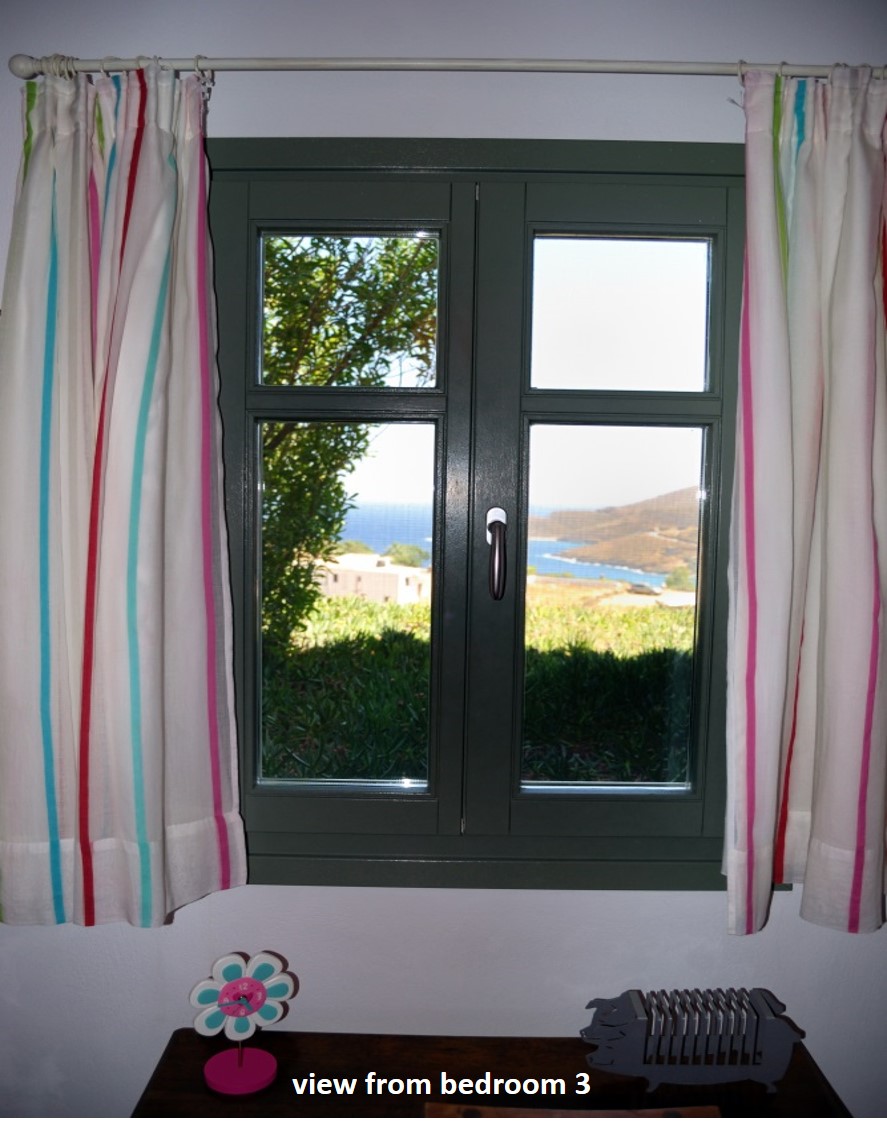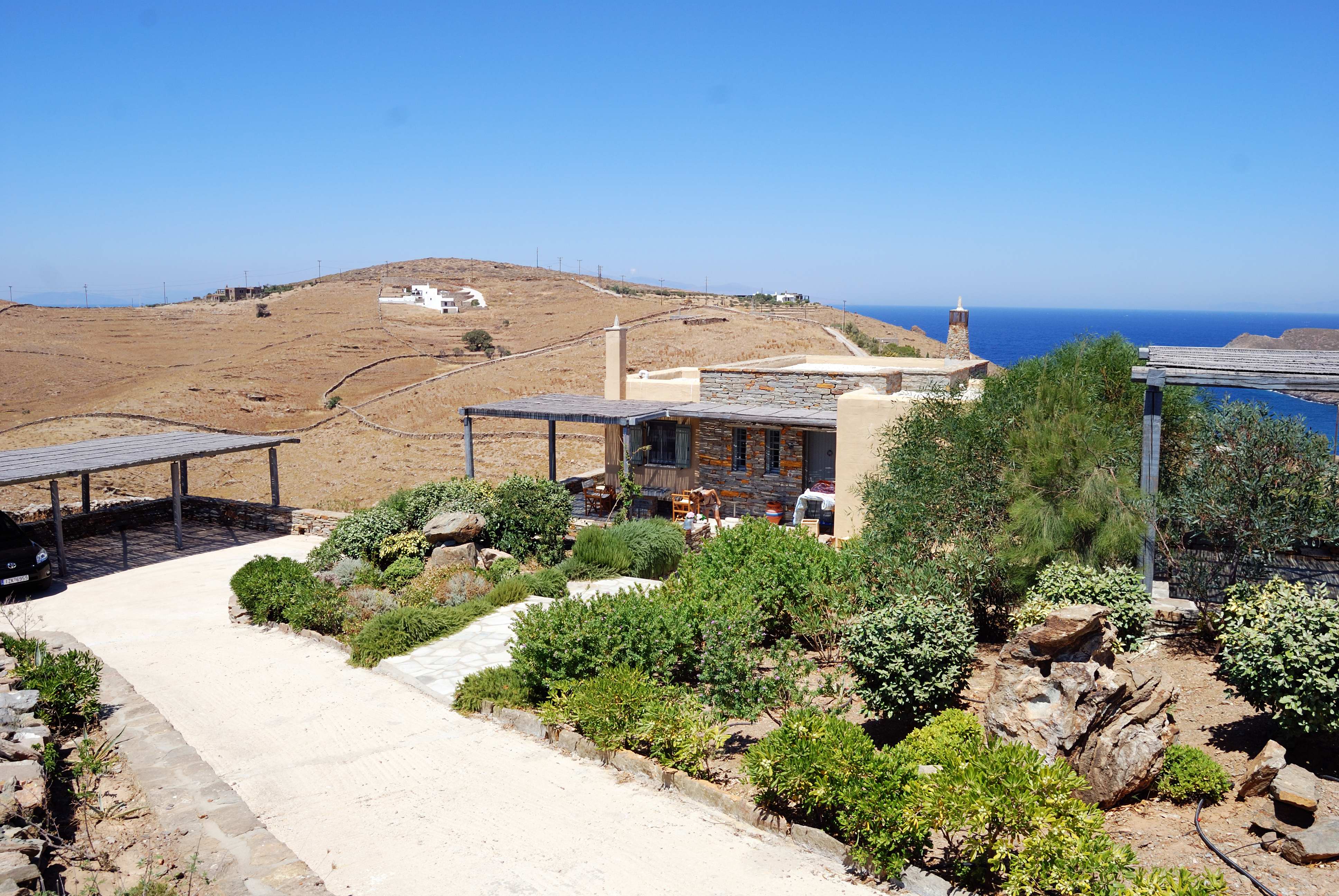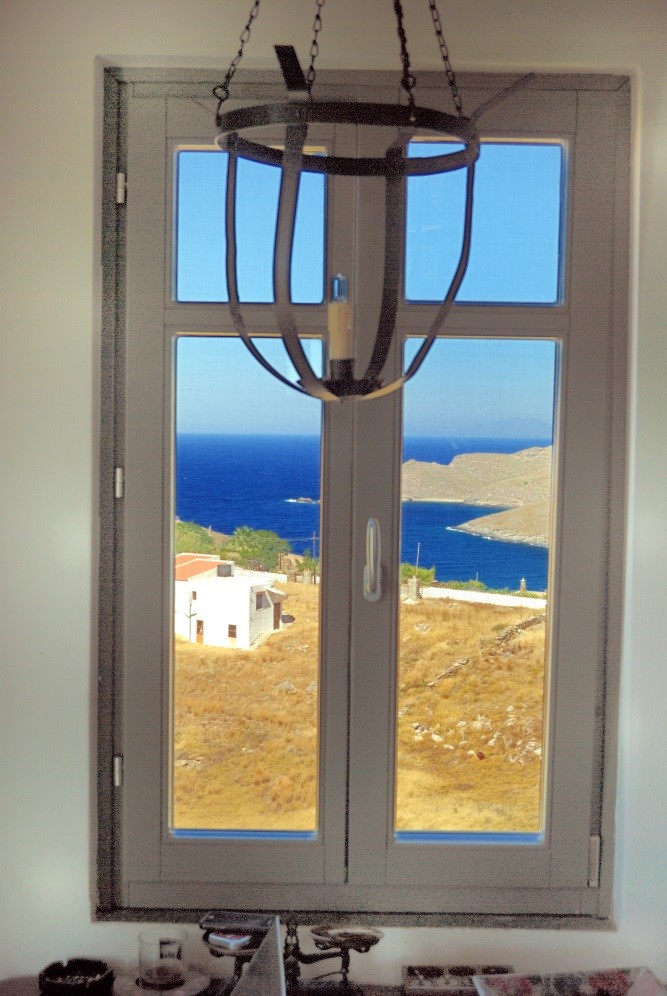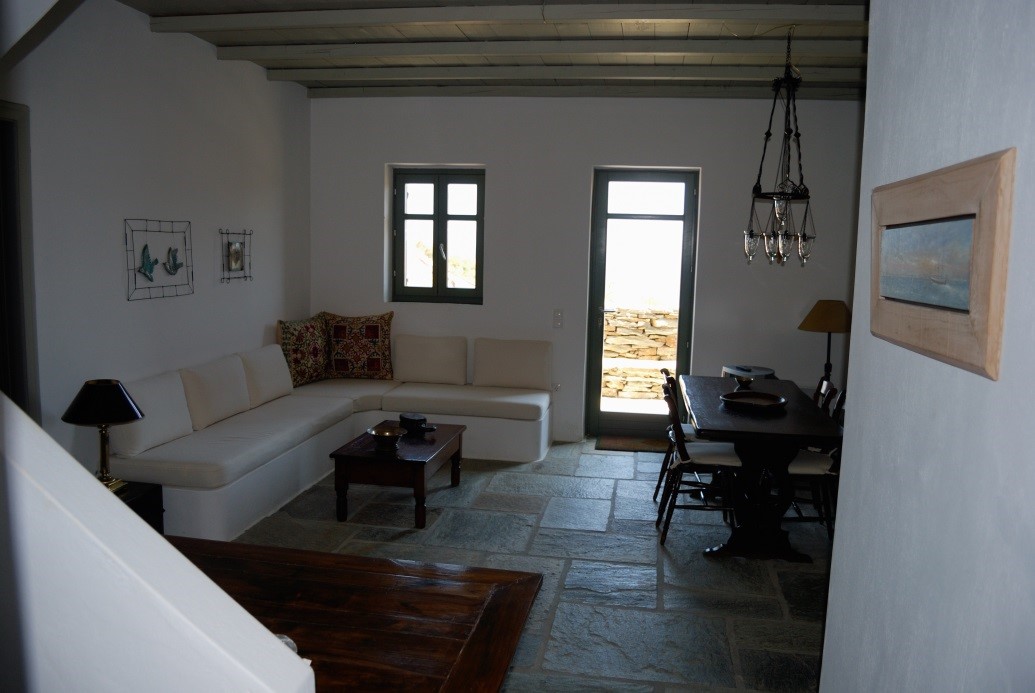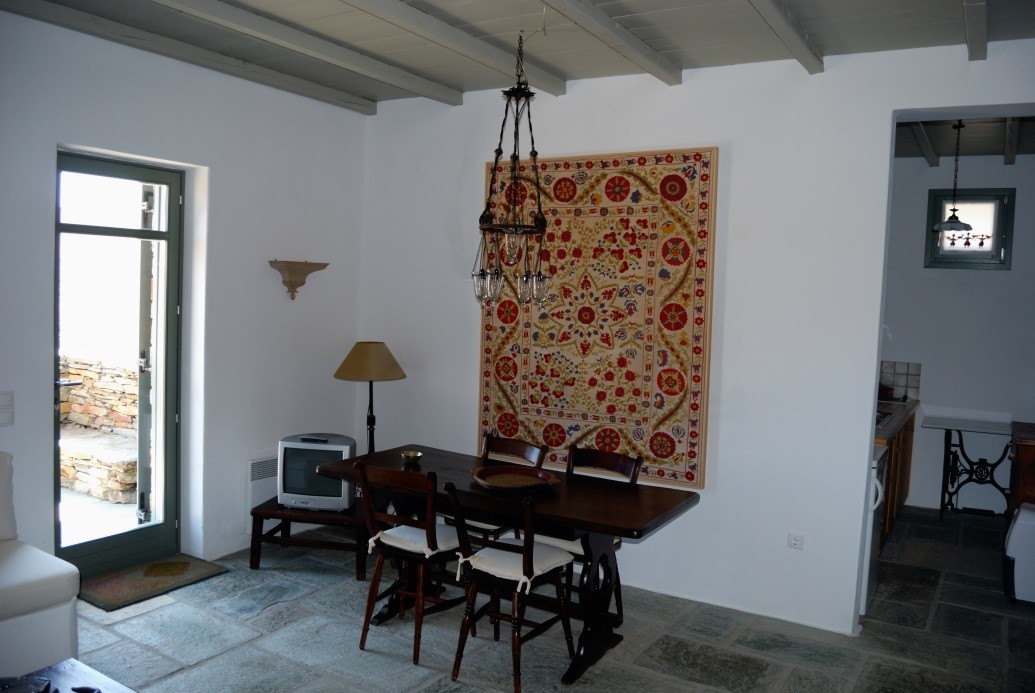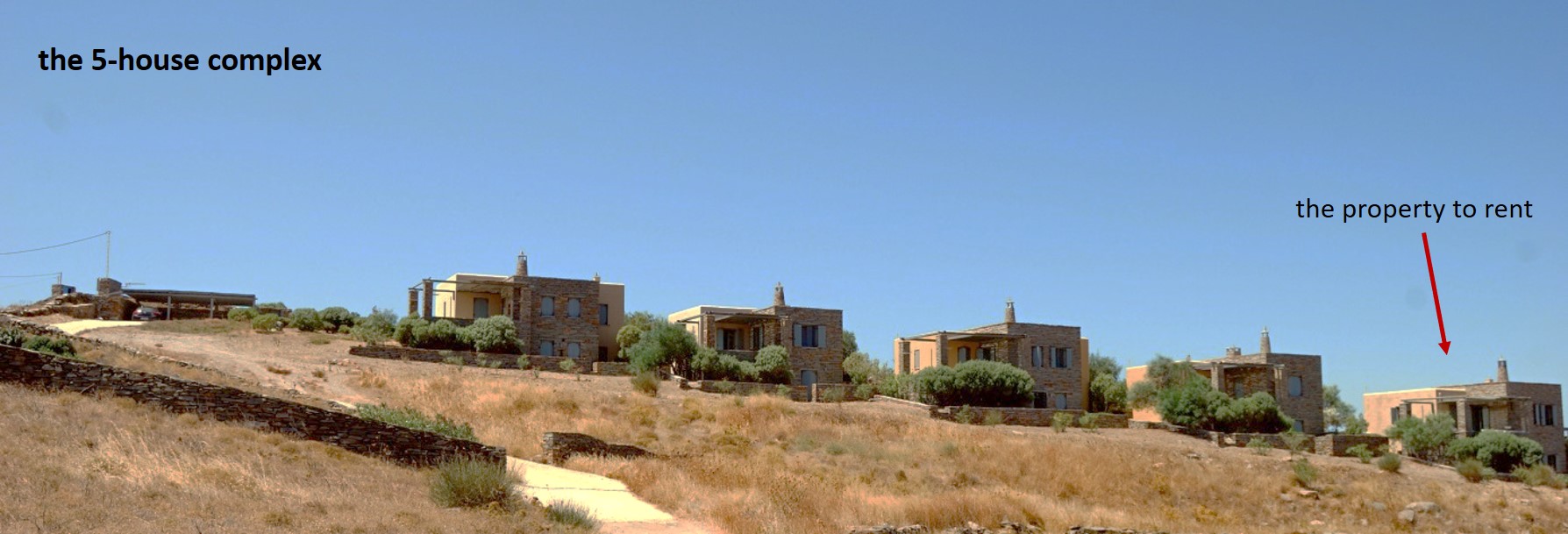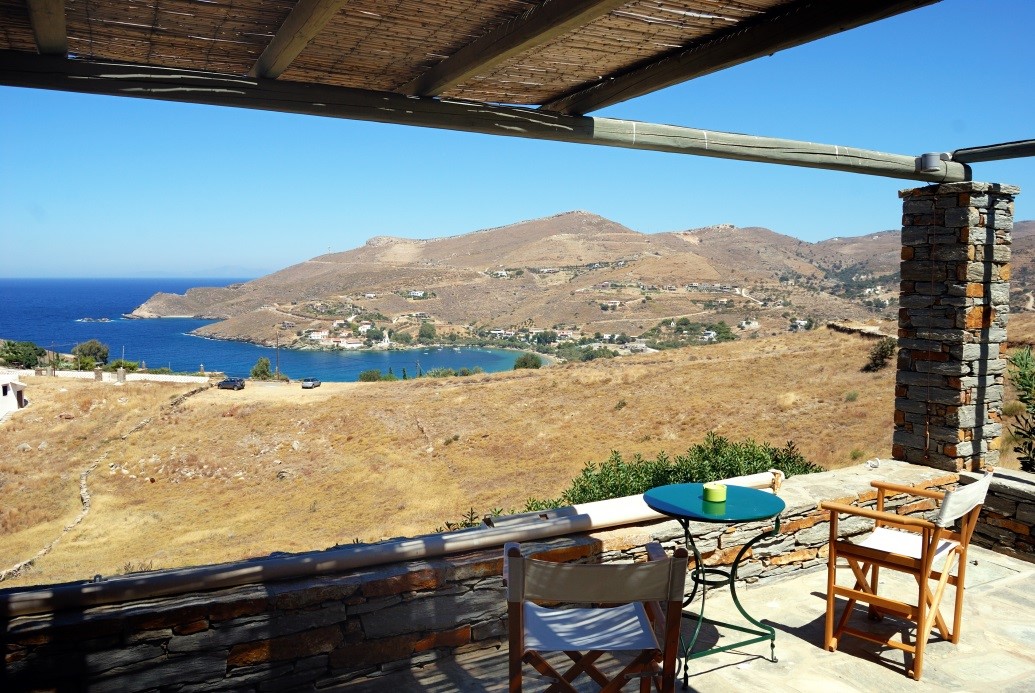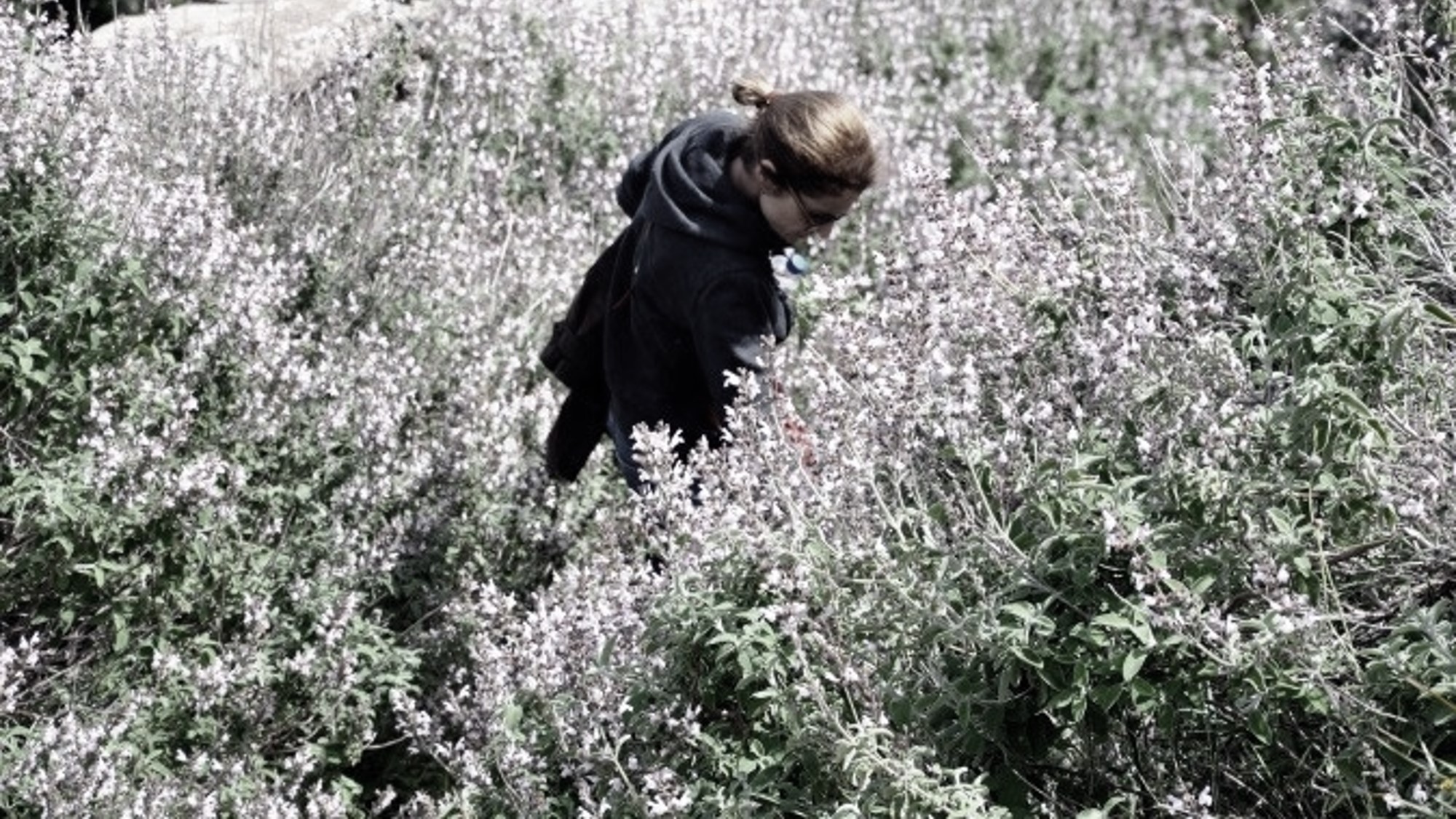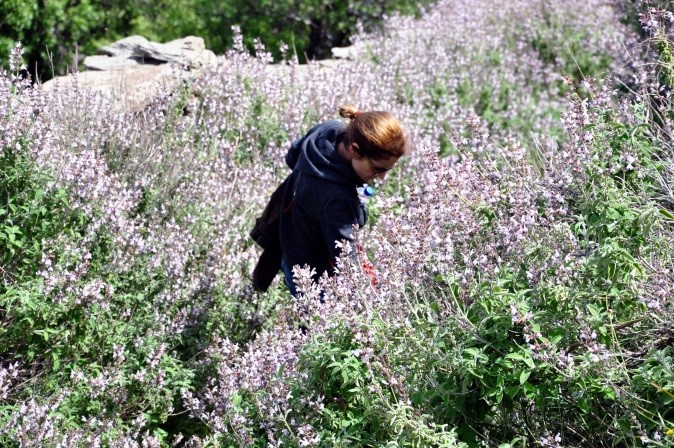
Kea or Tzia is a Greek island full of sun almost all year round, bright light and colors, and deep blue sea, belonging to the Cyclades complex of Aegean islands. It occupies an area of 130 sq.km. The relief is quite intense, and nature alternates from the typical Cycladic dry landscape to rich green zones due to underground water resources.
While the island is broadly known as a summer resort due to proximity to Athens, it is endowed with a sound, long and glorious history and architectural tradition, plenty of sights and getaways. It is up to visitors’ interests to discover such a diverse character of the island.
Besides numerous sandy beaches with crystal clear waters, Kea offers picturesque villages, a unique flora & fauna, historical and cultural sites of great interest, a network of trails reserved since ancient times, a delicious Cycladic cuisine and unforgettable traditional feasts.
At the same time, the island is at a very comfortable distance from Athens and the port of Lavrio.
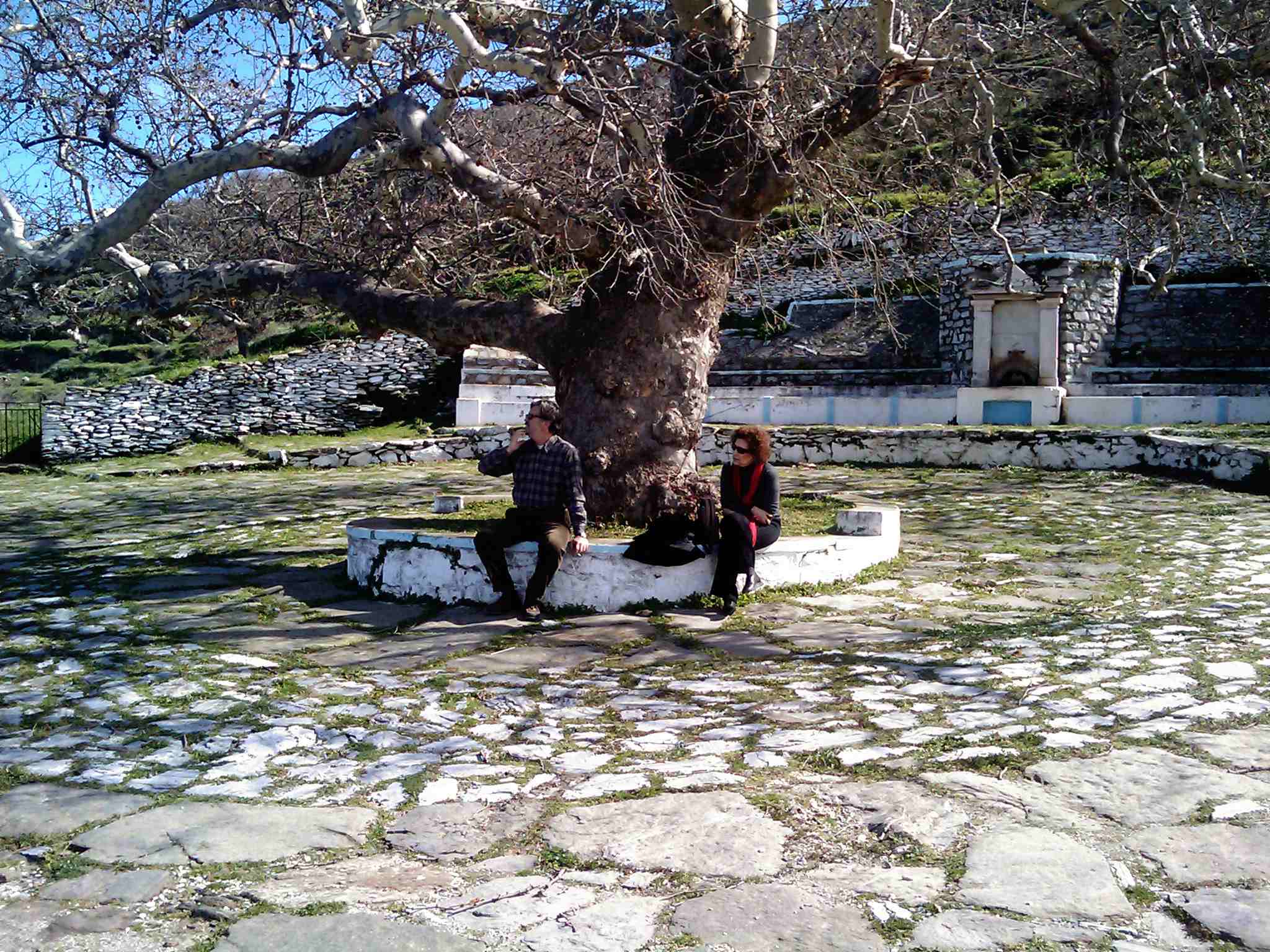
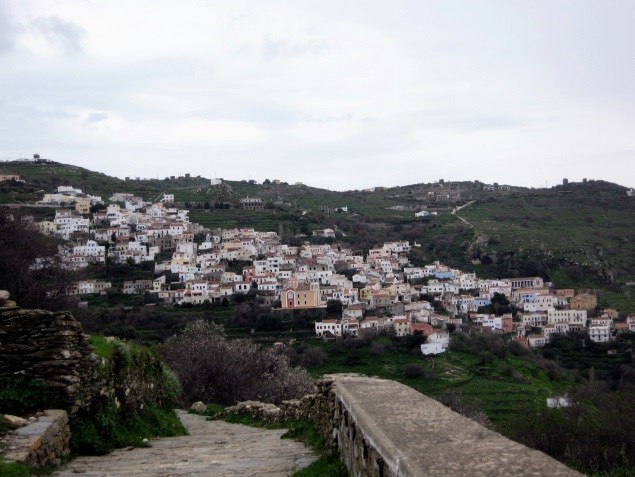
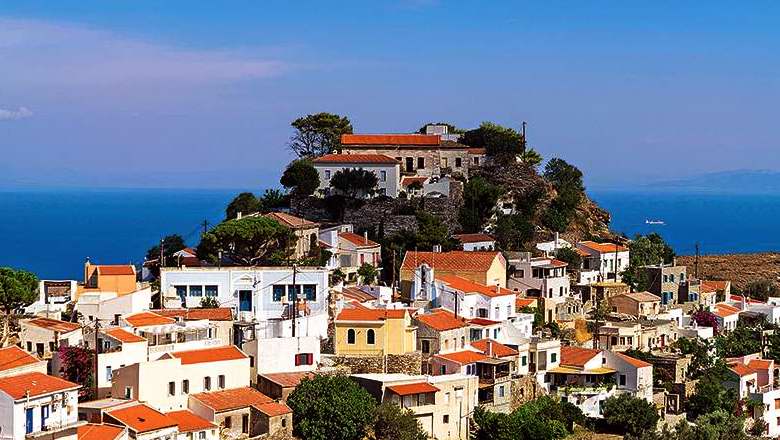
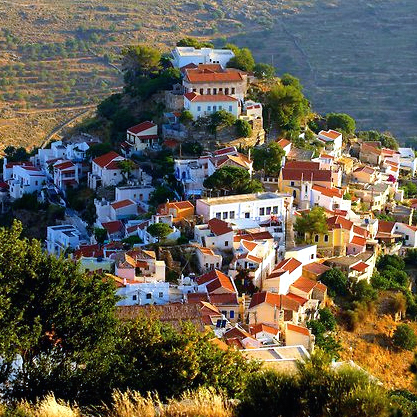
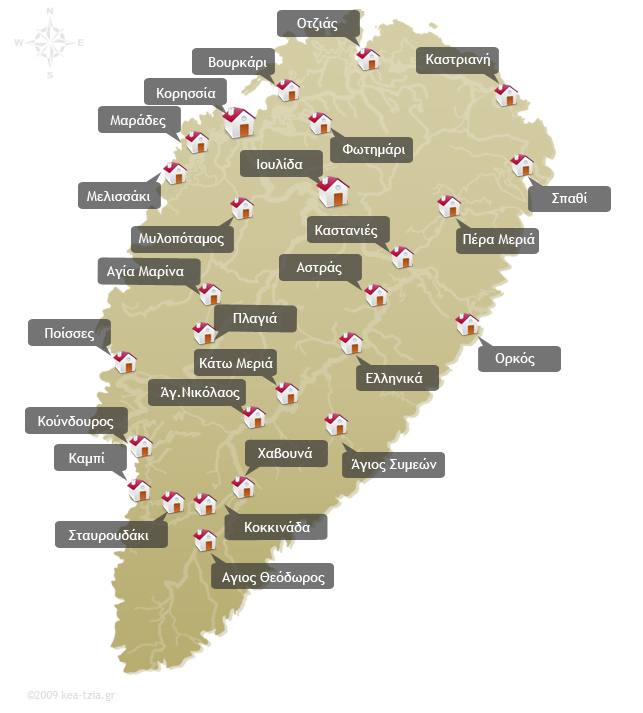
Kea’s capital is called Ioulis (or Ioulida or just Chora), retaining its ancient name like most of the island villages and sights. Ioulis is built on the top of three hills, presenting a distinguished picturesque town, with narrow streets (“stegadia”) and peculiar neighbourhoods and market places.
The port of the island is called Korresia, and the most known villages include Bourkari, Otzias, Pisses, and Koundouros.
- beaches
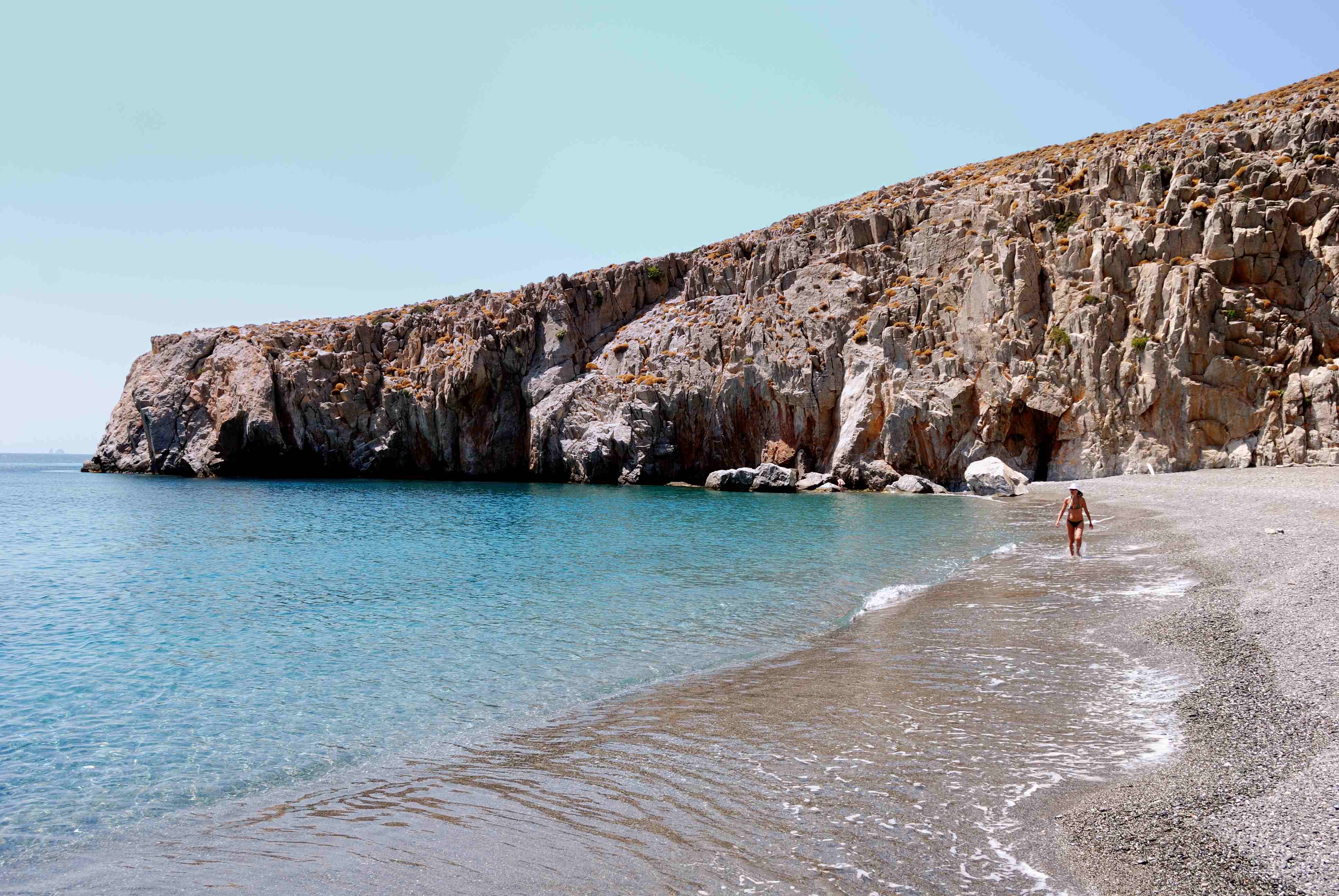
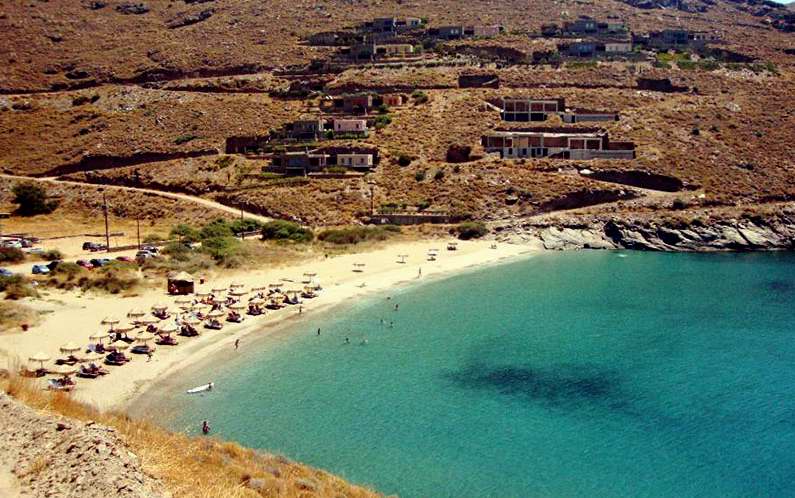
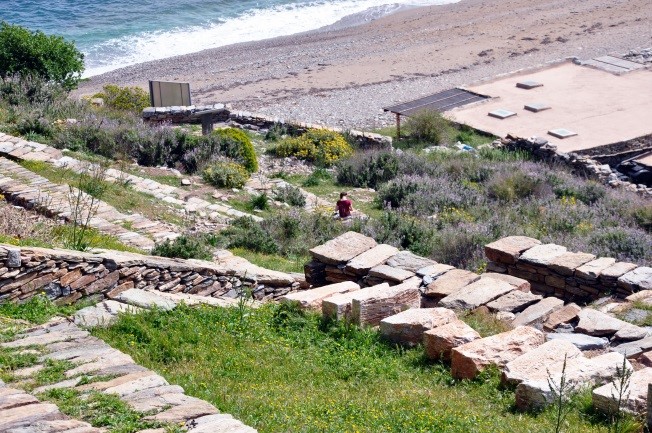
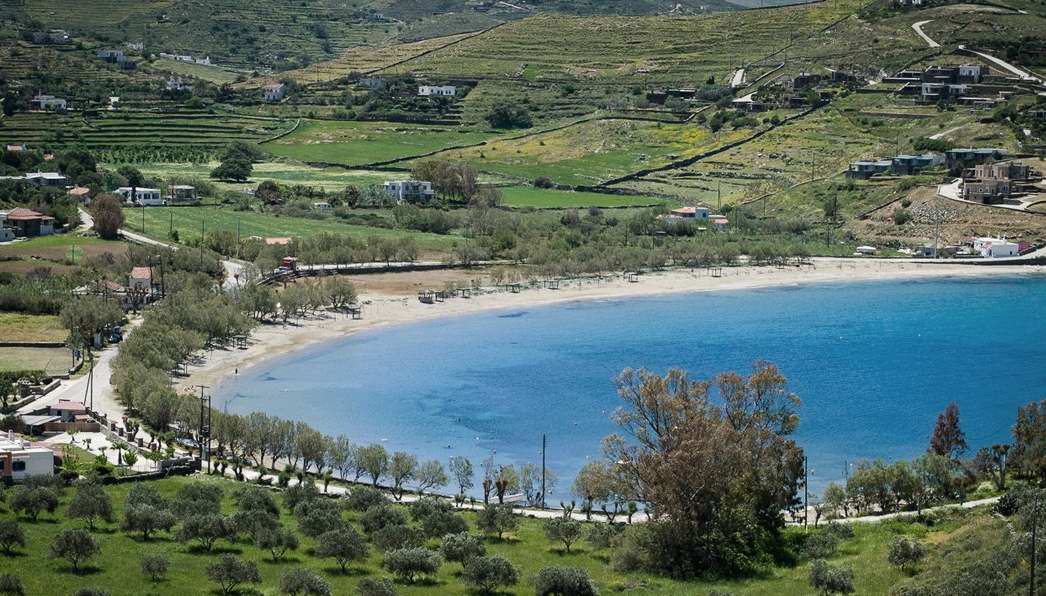
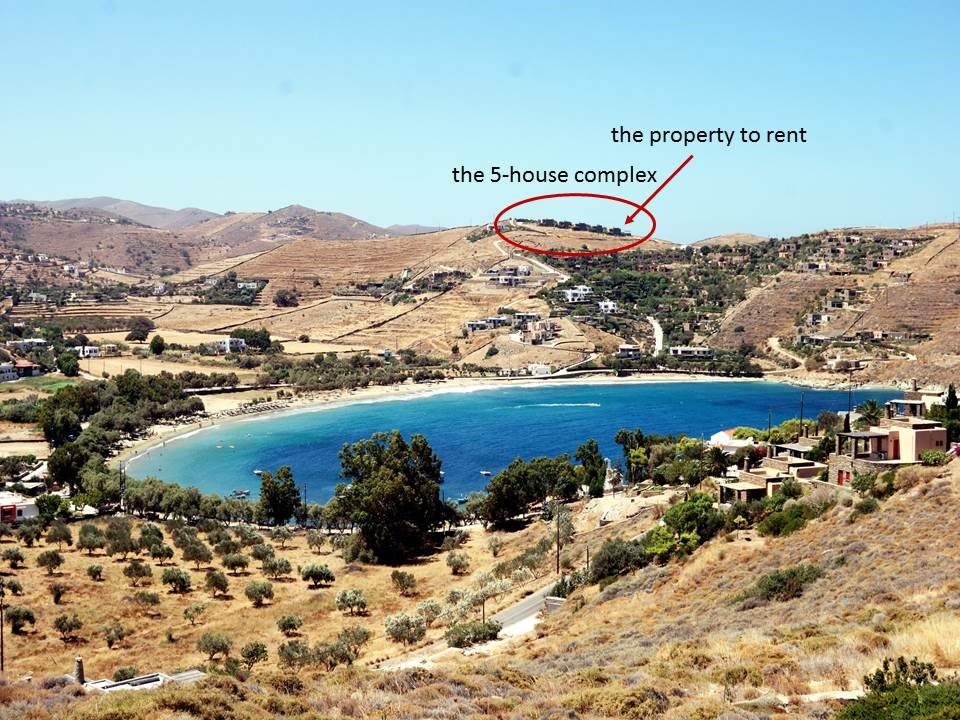
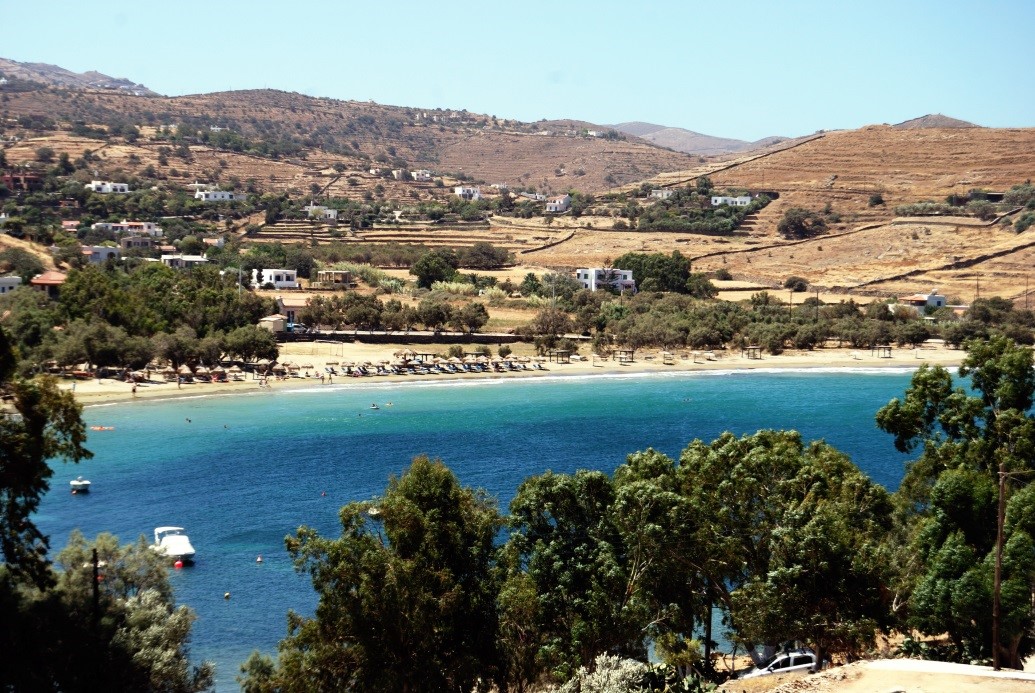
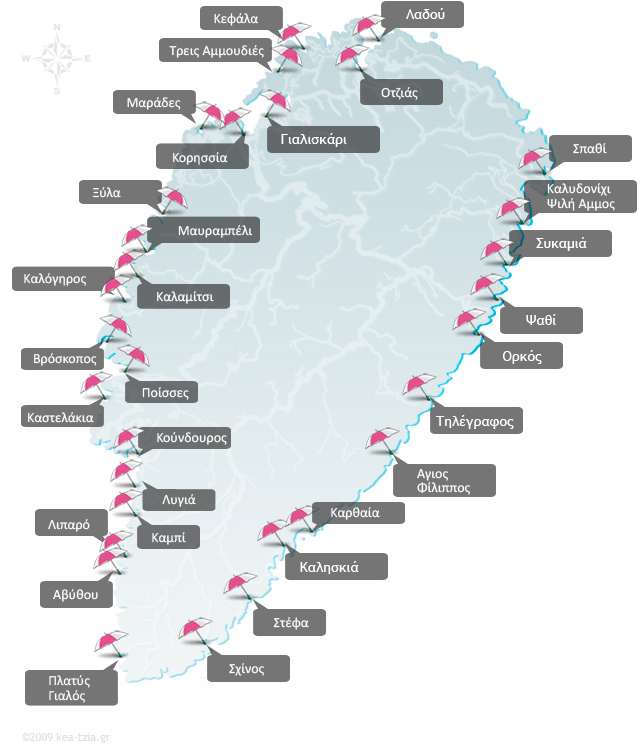
Kea is endowed with tens of beaches, from central to totally secluded ones, with crystalline waters and majestic seabed.
- scenic flora & fauna
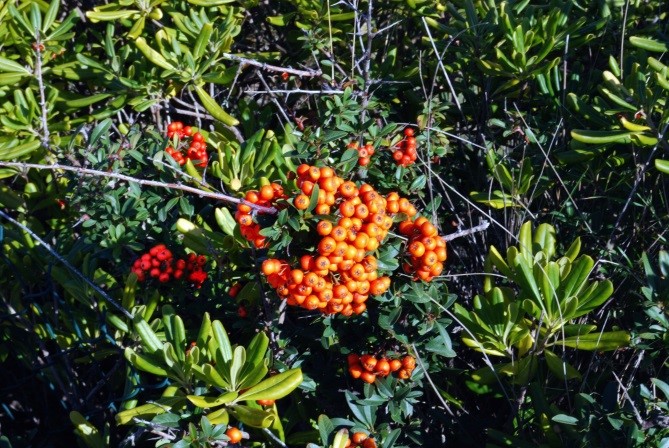
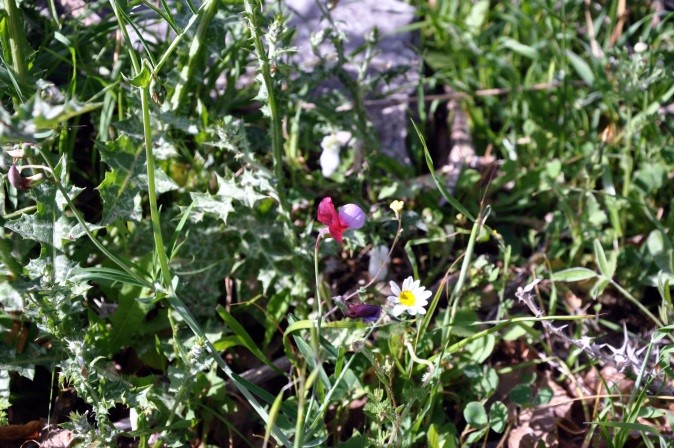
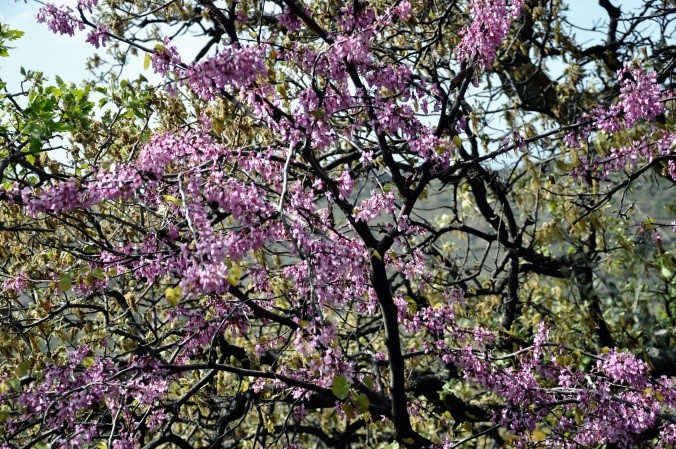
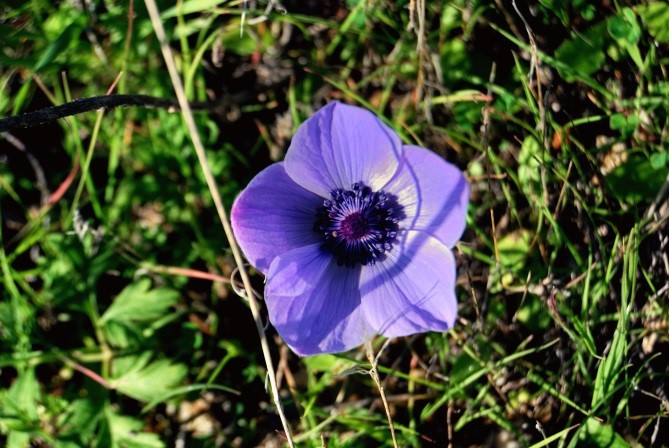
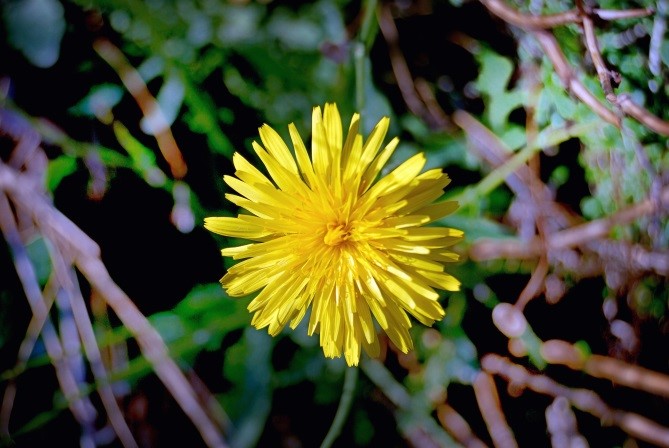
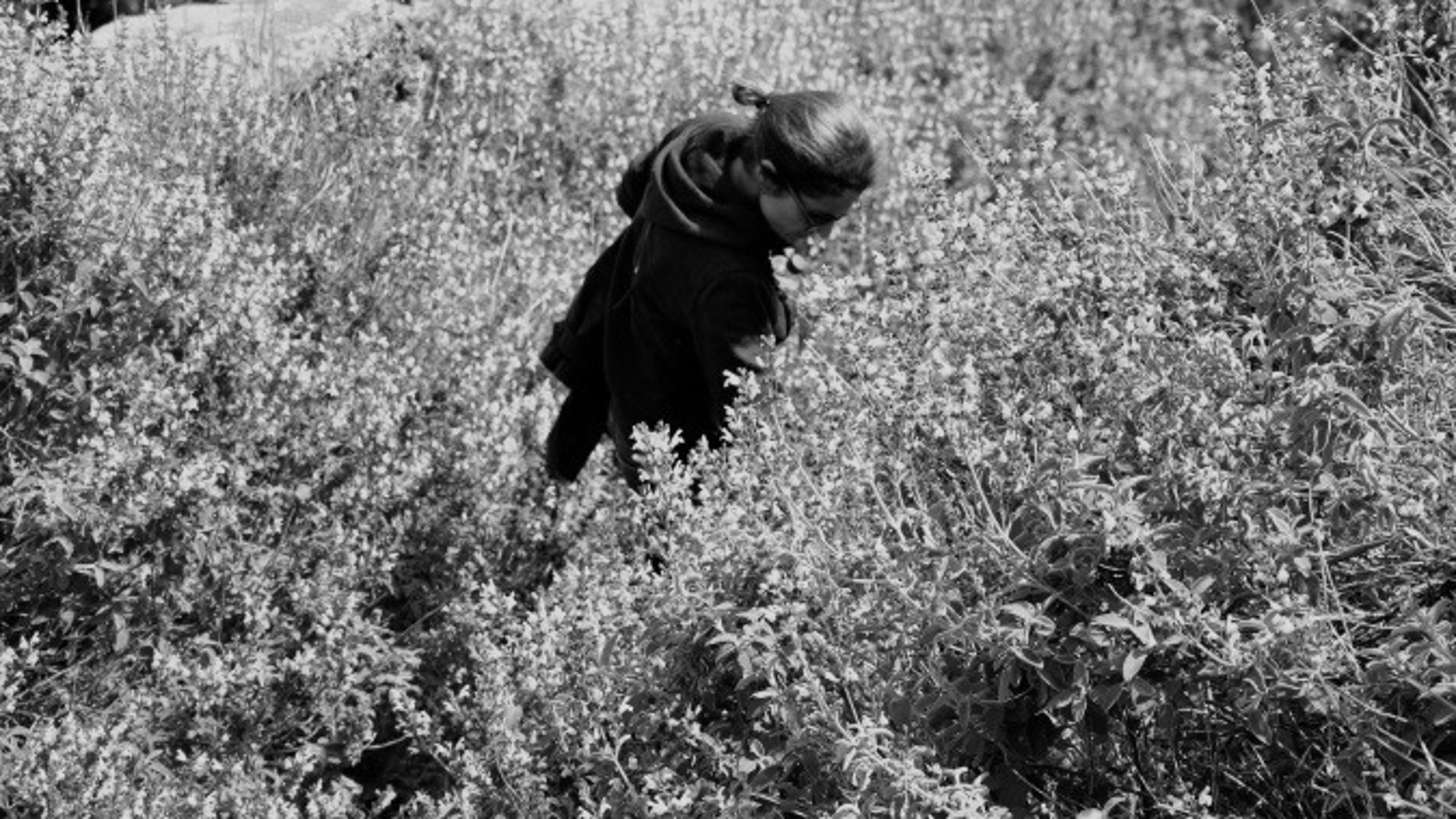
The island presents one of the richest floras of eastern Mediterranean region, rare plant species and countless crops, as well as a remarkable fauna. The royal oak forests form a distinguished landscape, thousands of herbs, plants and flowers are found in most of the inland areas, and a lot of wild species, including rodents, reptiles and birds retreat on the island.
- mythology
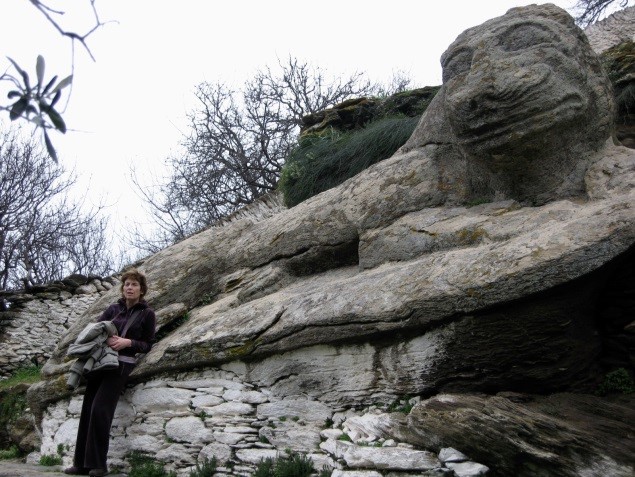
According to mythology, a lion that chased Nymphs away became the symbol of the island. A lion sculpture, carved on the rocks next to Ioulis, reflects the myth and enjoys the role of the island’s symbol and special star.
-
ancient glory
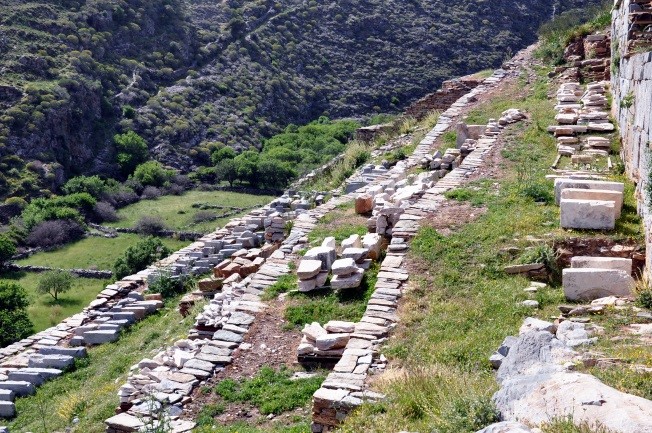
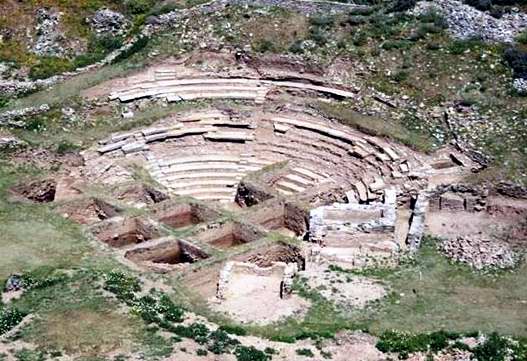
Following Prehistoric times, when human activity is reported in St. Nicholas Gulf and Otzias organized settlements, a superb prosperity took place during the Cycladic civilization around 2500 BC with the development of farming, agriculture, fisheries and arts, while after 2000 BC Kea became a hub of the Mycenaean and Minoan civilizations. The poet and musician Simonides Ceos and the sophist Prodikos Ceos are, among others, typical ancient references of Kea.
- architecture
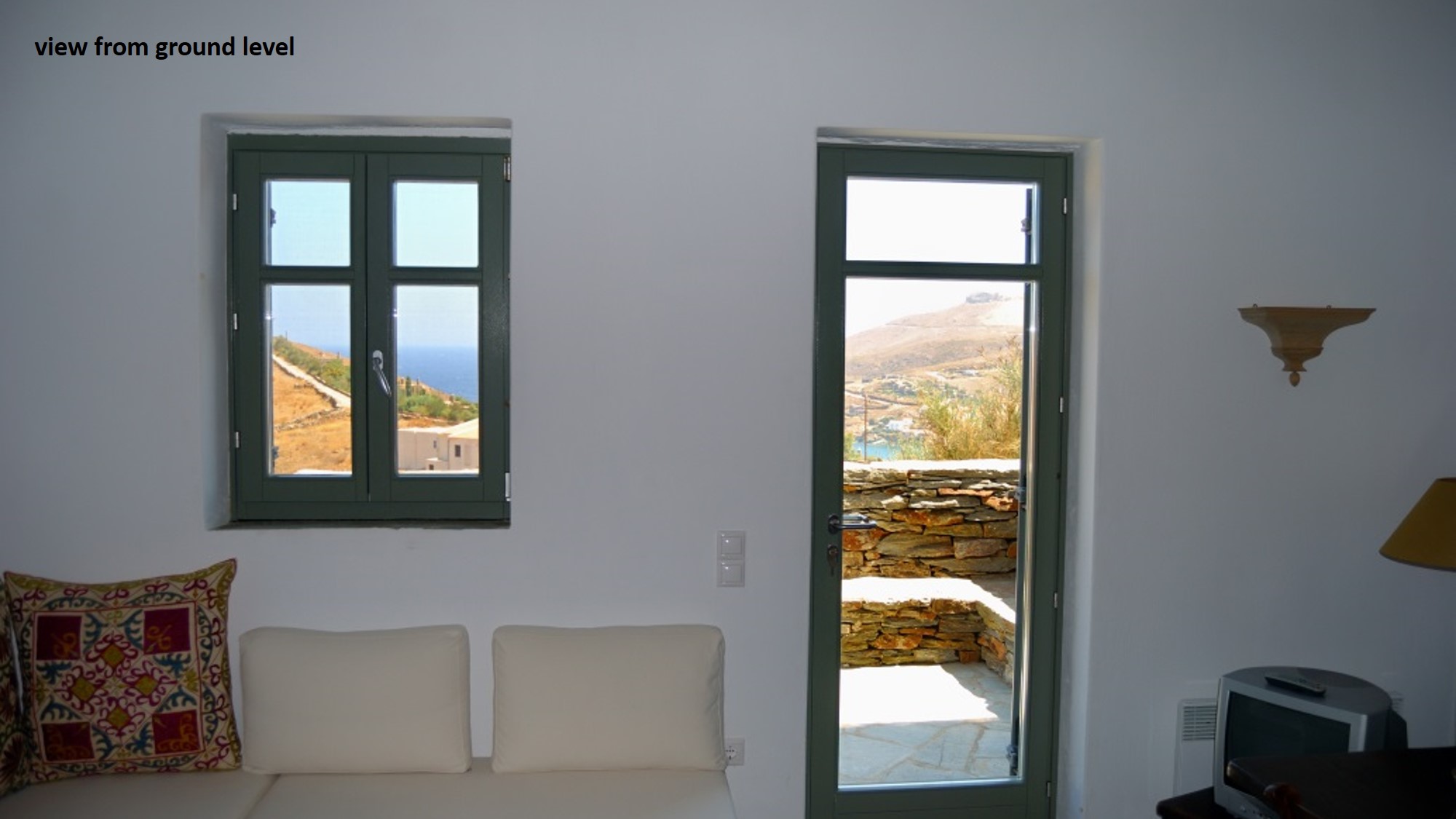
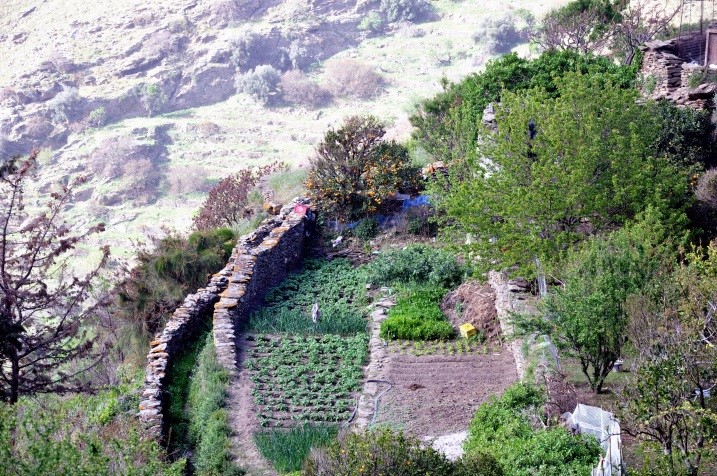
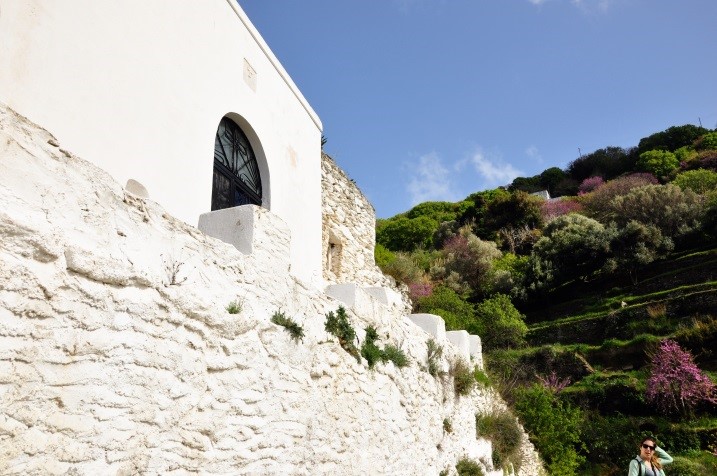
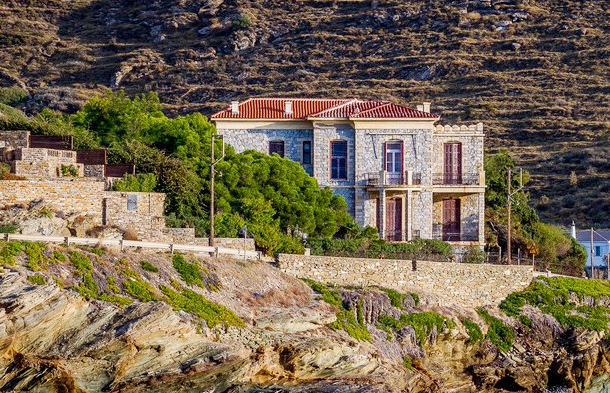
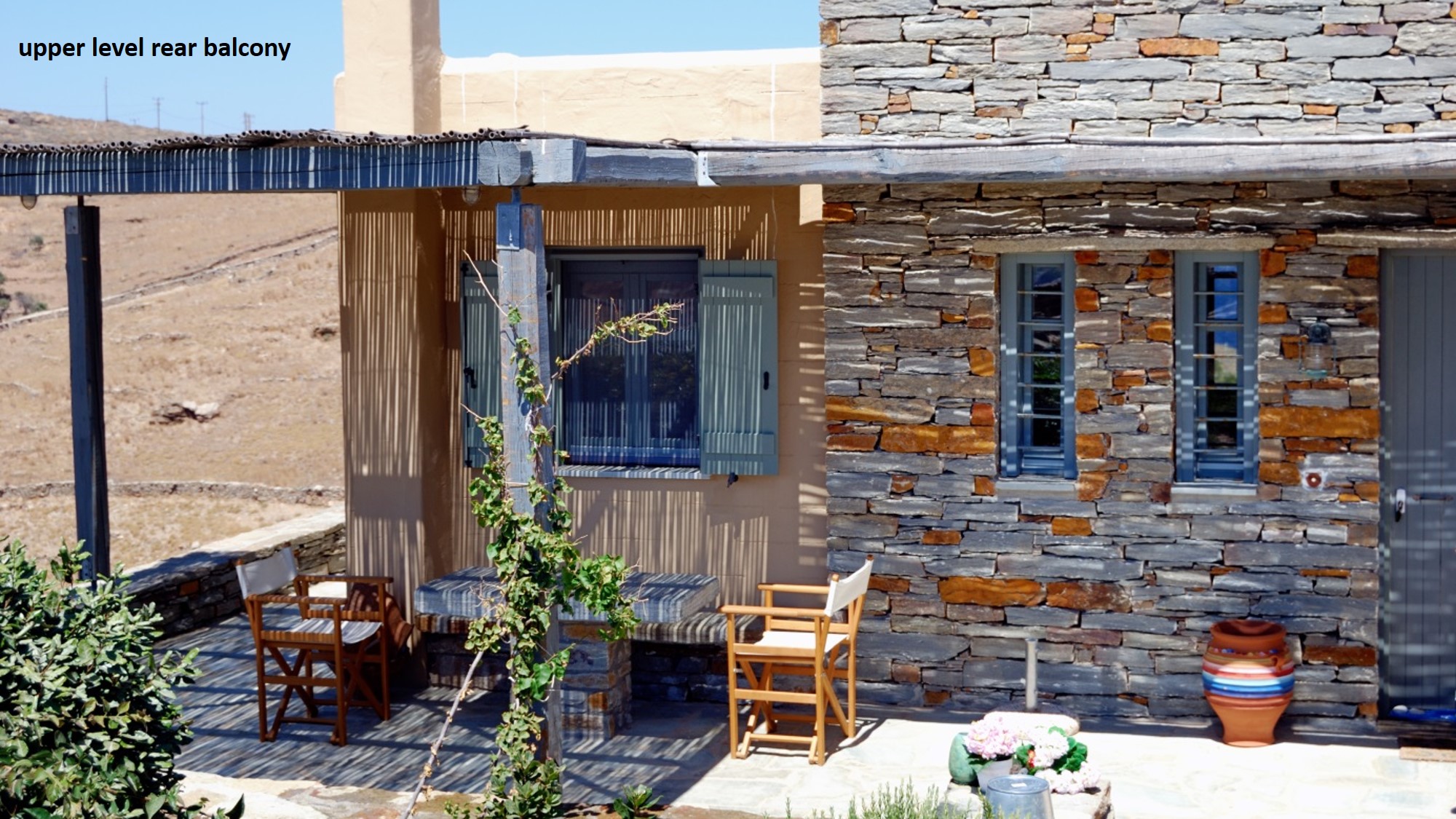
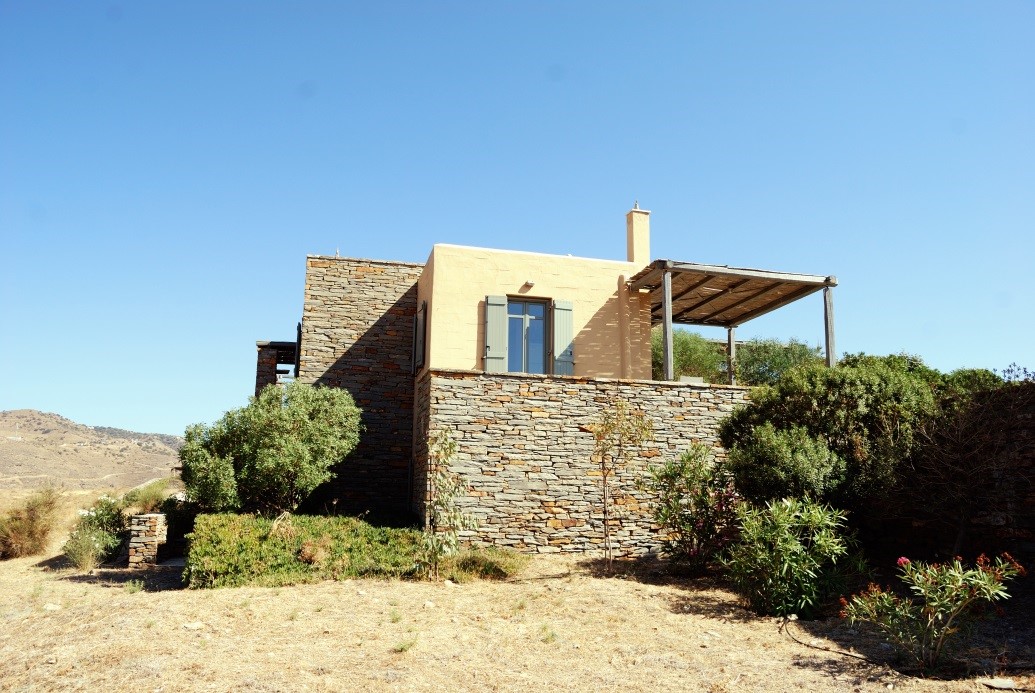
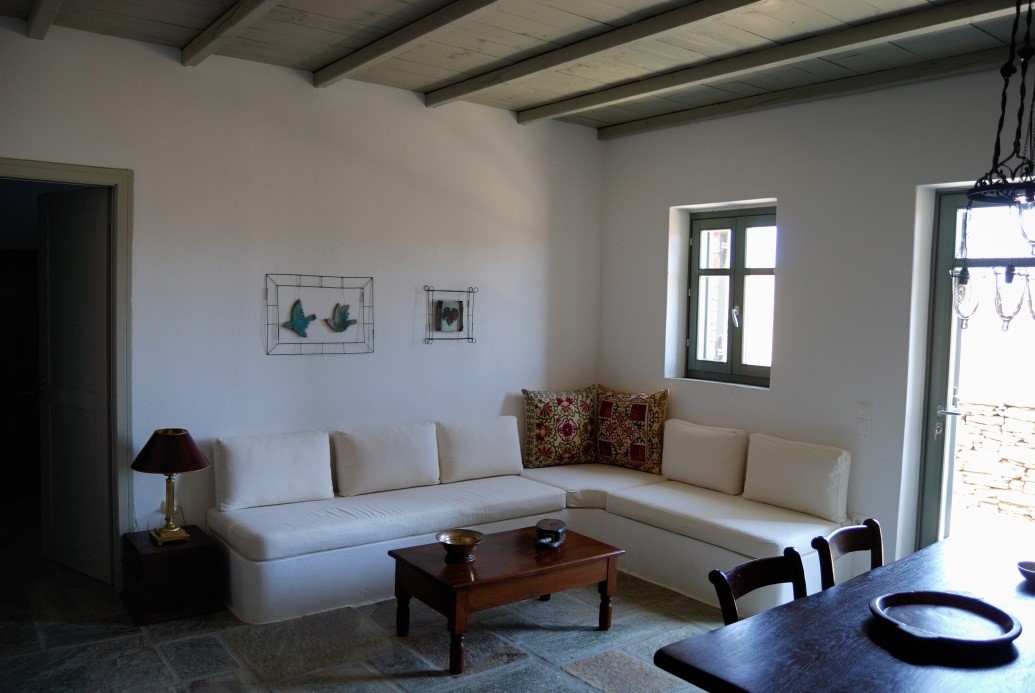
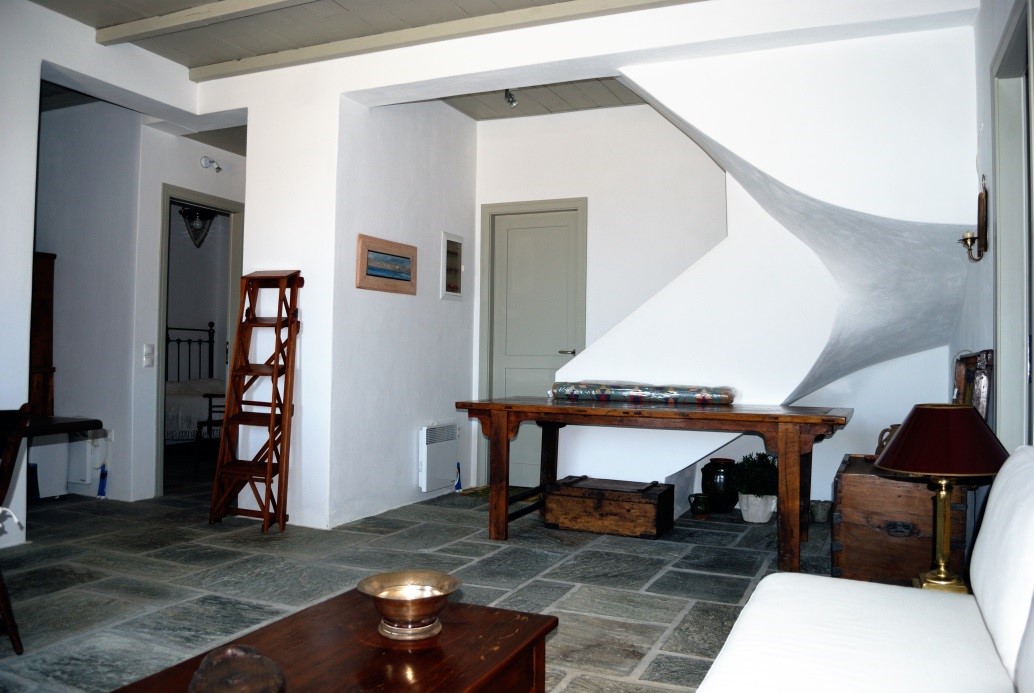
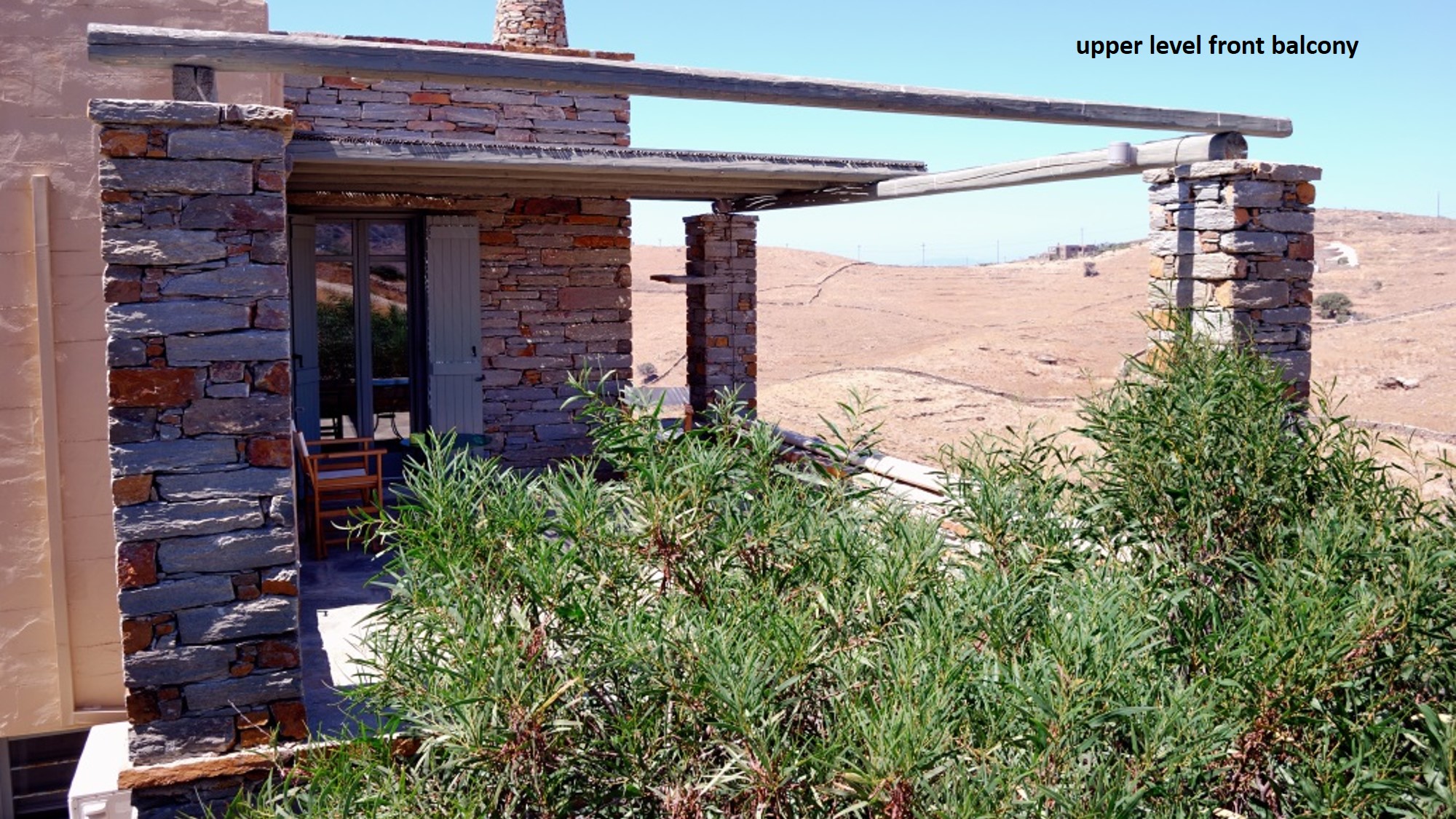
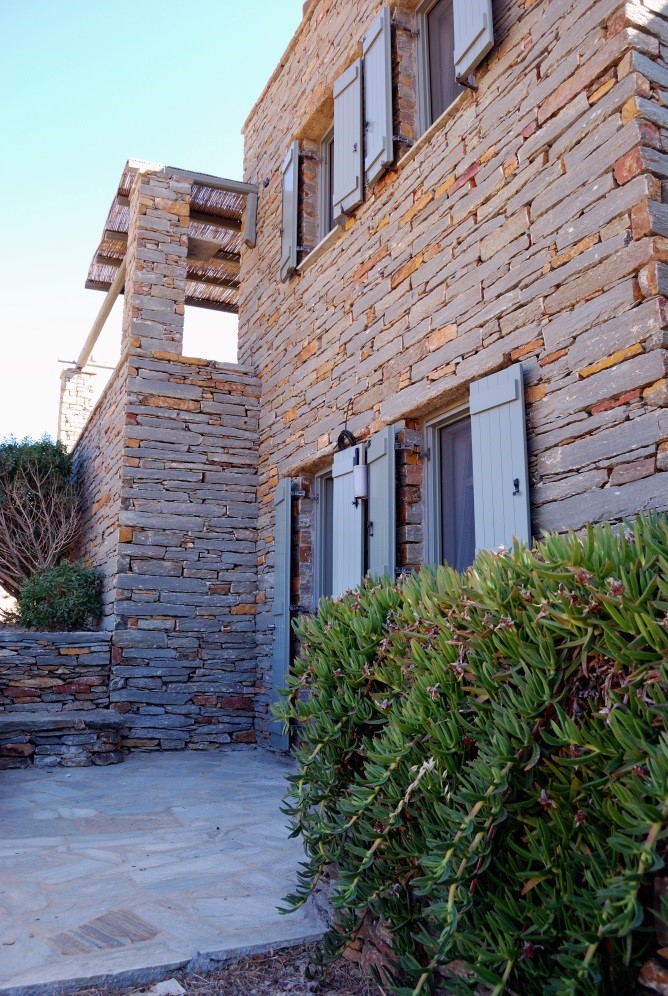
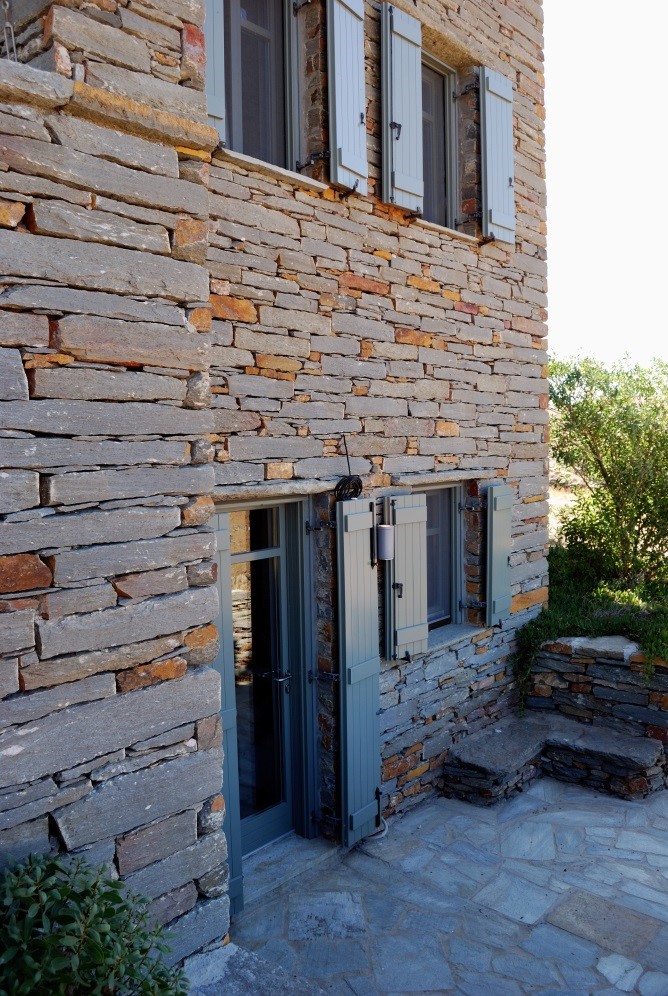
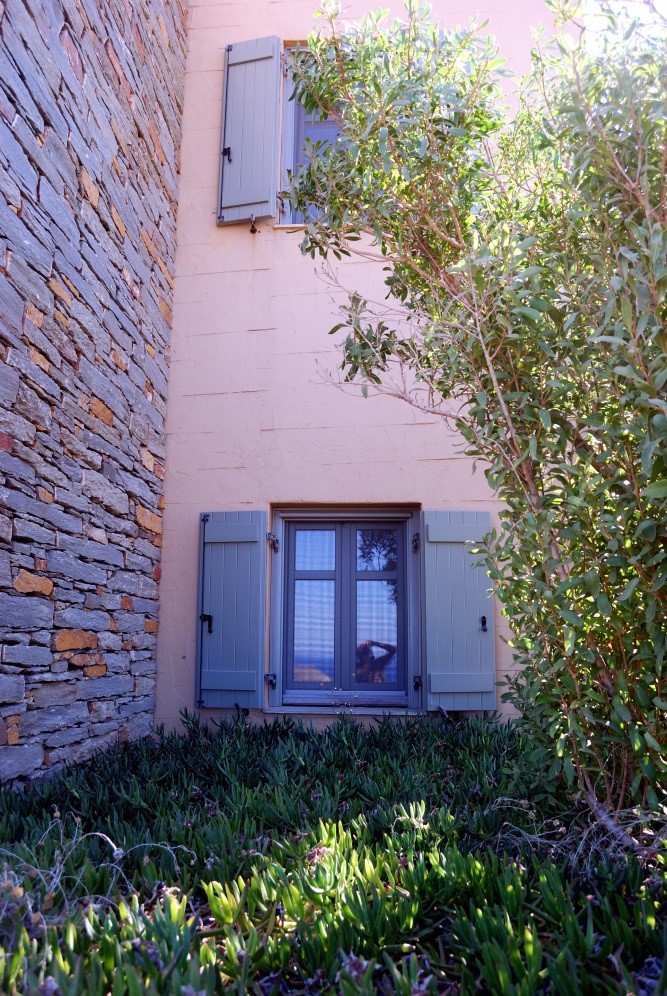
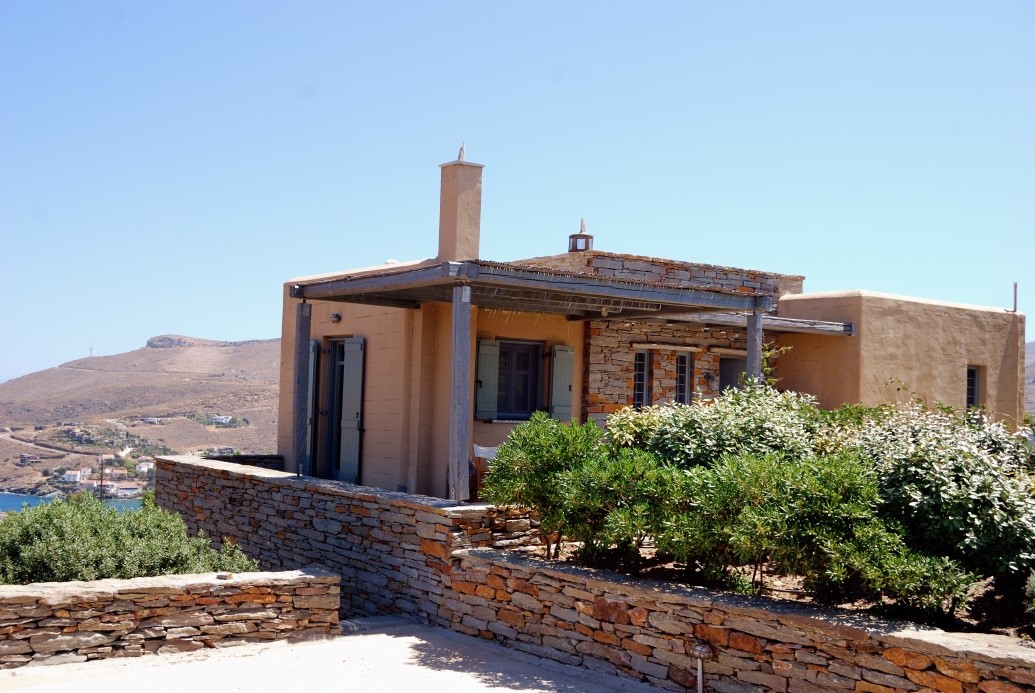
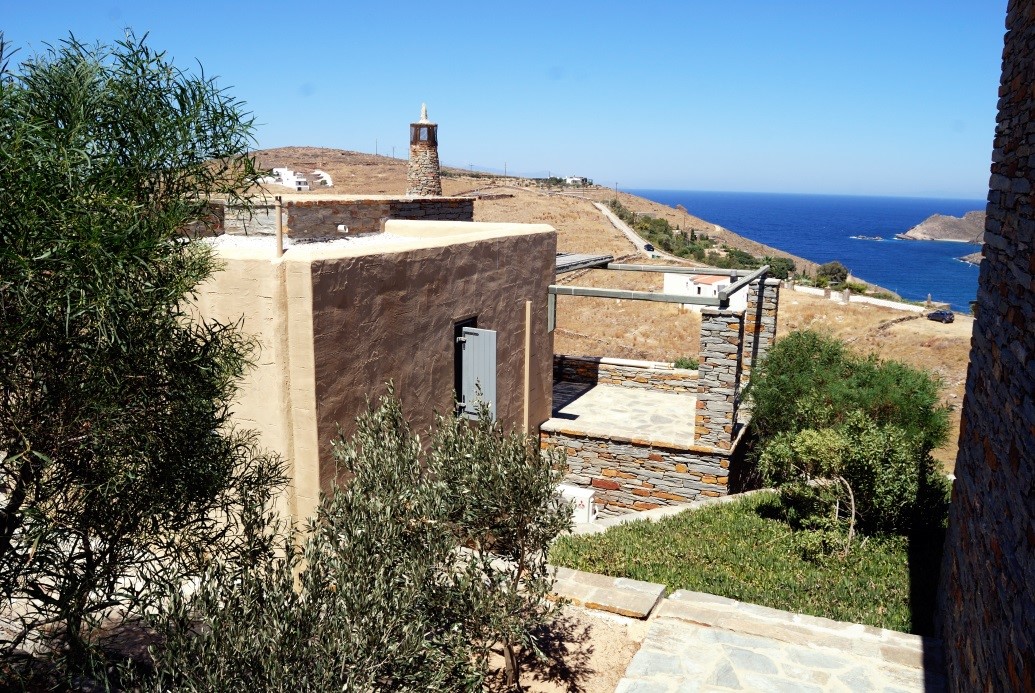
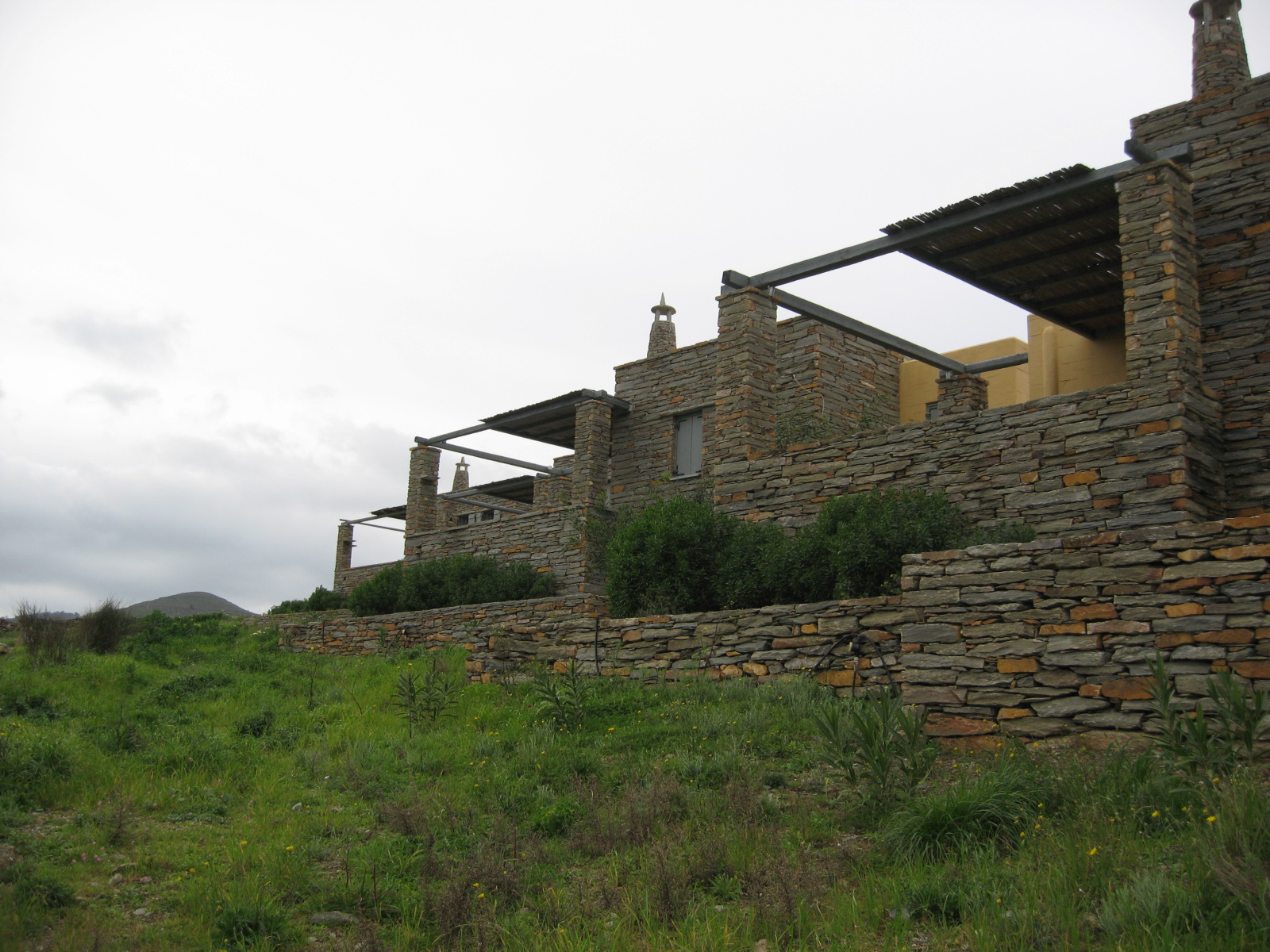
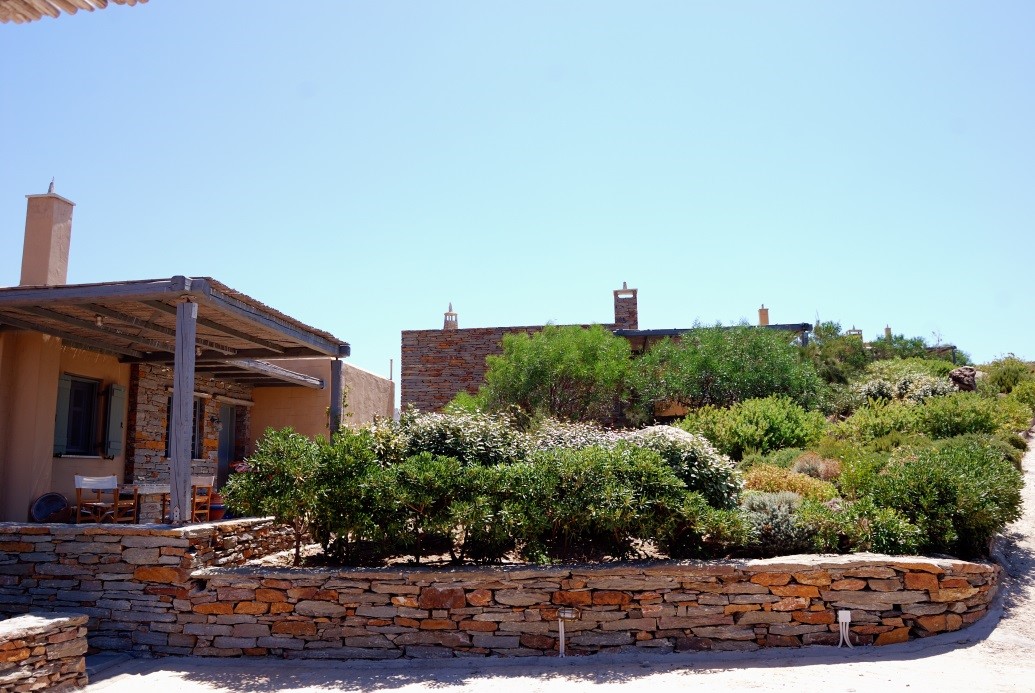
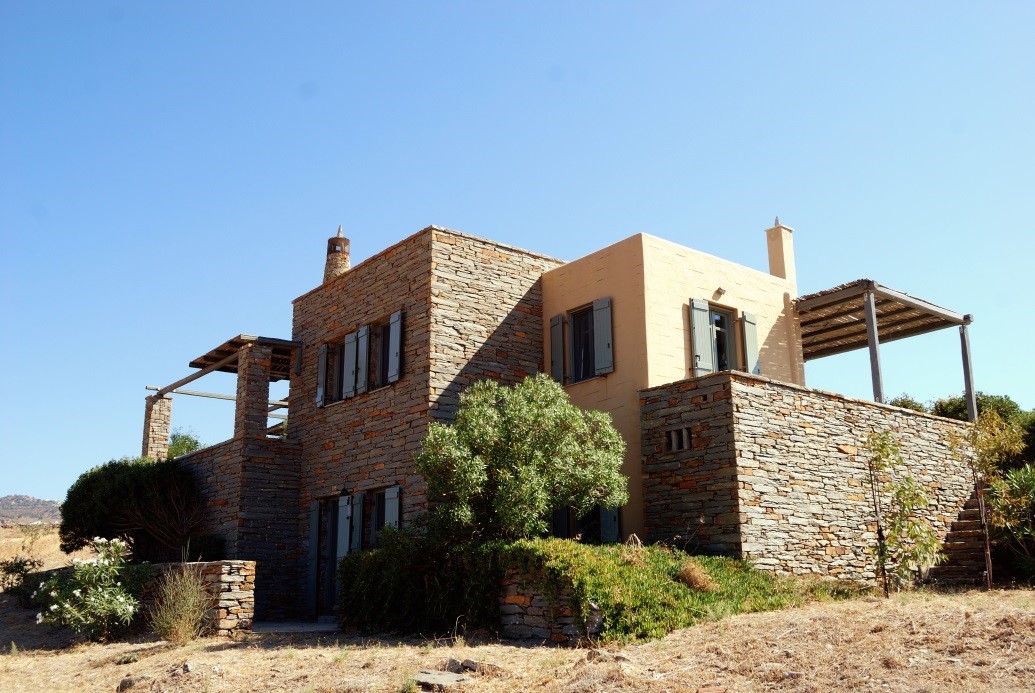
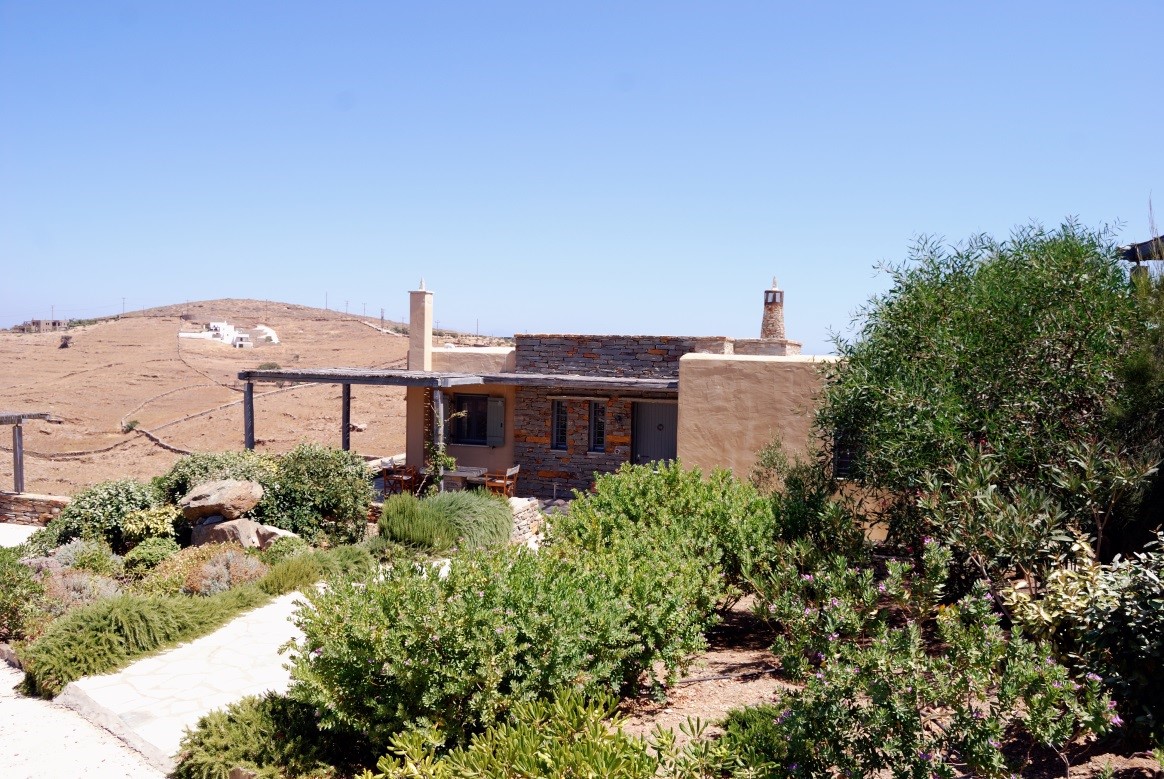
Apart from numerous modern houses built in traditional style with indigenous stone on the island, tens of traditional rural dwellings, traditional techniques, materials and colors are scattered and can be visited around Kea.
- the Archaeological Museum in Ioulis presents a considerable collection
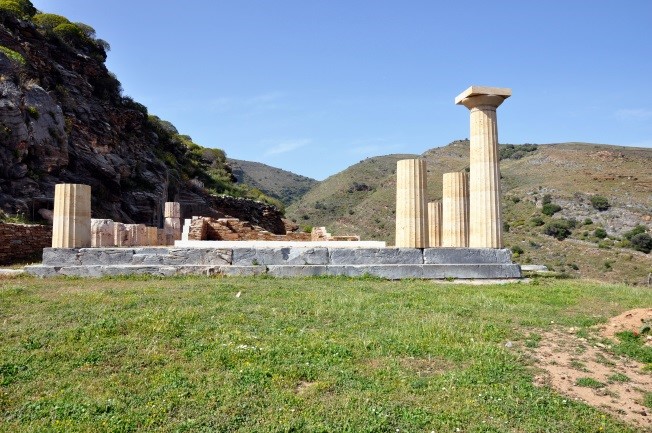
- the temples of Athena and Apollo in ancient capital Karthaia offer a great experience of both historic and natural value
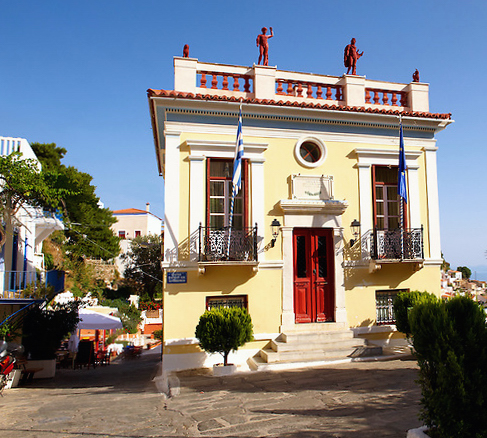
- pieces of traditional and neoclassical architecture can be found all over the island, including the town hall, the old school by Ernst Ziller, paintings by Dellapizza and Alekos Fasianos, and the Acropolis in Ioulis area
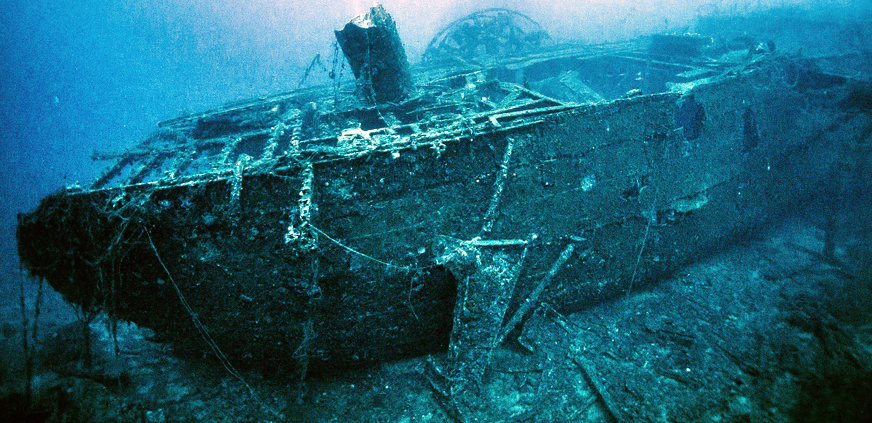
- it is worth to discover the prehistoric settlement of St. Irene, the tower of Agia Marina, the old enamel factory, the famous strait of Lambros Katsoni, the beacon of St. Nicholas, the shipwrecks – especially the ‘Britanic’, one of the most well-known shipwrecks in the world
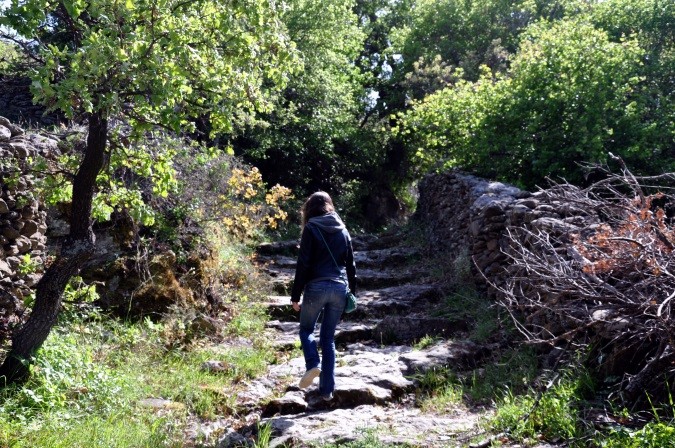
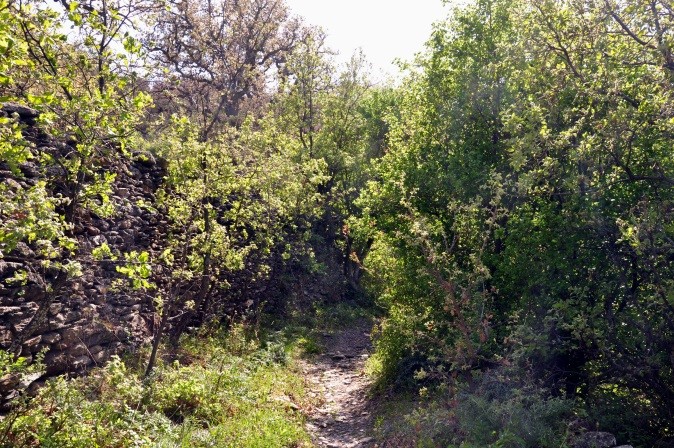
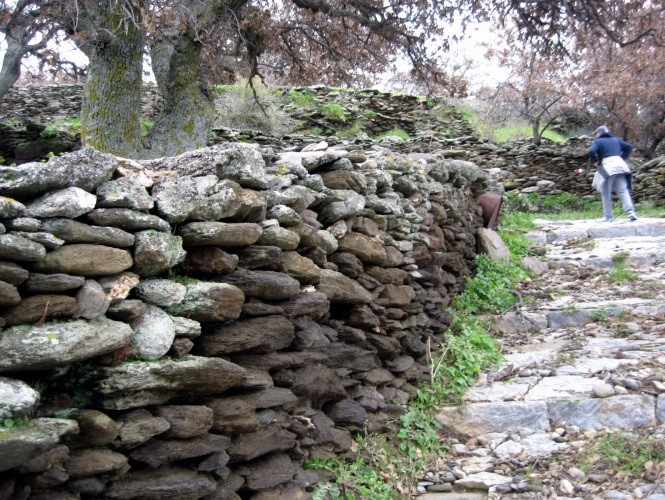
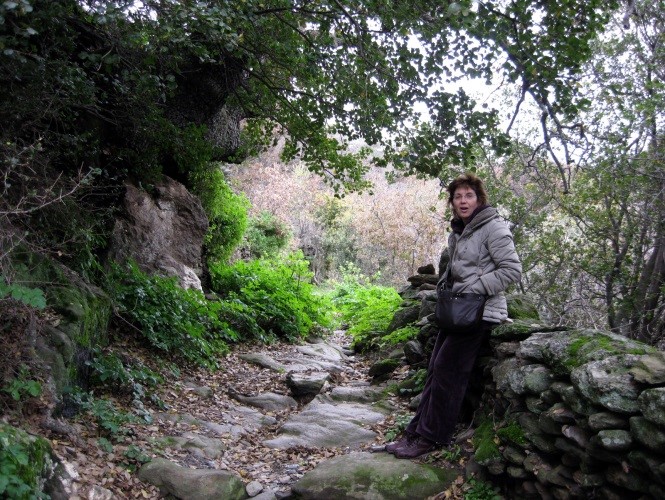
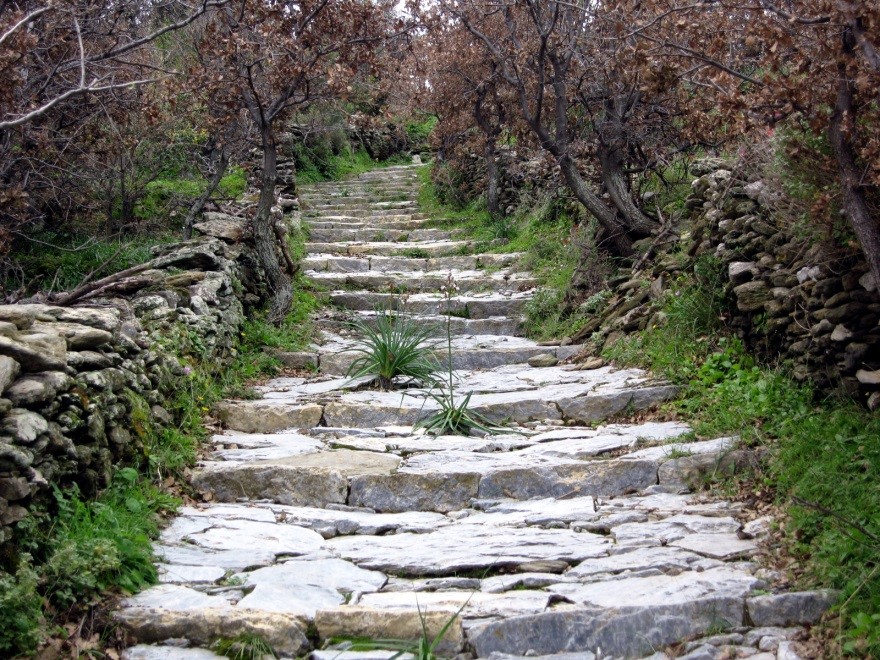
- walking on the 12 tracks and ancient paths of the island is an unforgettable experience:

- discover the archeological sites
- trace other beauties of the past, monuments, monasteries, towers, Venetian heritage, neoclassical architecture
- hike to uncover surprising natural treasures, especially follow the ancient paths and enjoy the inland oak tree forests
- swim in the endless blue of the Aegean Sea
- sail to secluded beaches
- partake in a series of water sports or fishing adventures, surf and scuba dive, or experience yoga retreats
- discover the famous traditional feasts and summer festivals
- relish exceptional local delicacies
- read in the balcony, listening nothing than the sea splash
You can reach Kea by frequent ferry boats, starting from Lavrio port, which is located 20 minutes’ drive from Athens Eleftherios Venizelos international airport and 50-60 minutes from Athens city center. The boat from Lavrio to Kea and vice versa is direct, and the trip takes 1 hour.
Lavrio can be reached by car or taxi or public transport from both the center of Athens and the airport.
From Kea, there is also direct connections to the islands of Kythnos, Syros, Serifos, Sifnos and Milos.
Transportation to and around the island is preferably made by car. Hiring a car or motorcycle or scooter in Athens, or at the airport or upon arrival to the island would be an ideal choice.
We’ll be pleased to advice on your overall travel and support your entire schedule and logistics, so that you enjoy a comfortable journey.
A great number of websites, literature and books on Kea may provide plenty of information to the visitor of the island.
Fundamental information can be found at the following websites:
http://www.kea-tzia.gr/
http://kea.gr
https://praktoreiokeas.gr/
Kea or Tzia is a Greek island full of sun almost all year round, bright light and colors, and deep blue sea, belonging to the Cyclades complex of Aegean islands. It occupies an area of 130 sq.km. The relief is quite intense, and nature alternates from the typical Cycladic dry landscape to rich green zones due to underground water resources.
While the island is broadly known as a summer resort due to proximity to Athens, it is endowed with a sound, long and glorious history and architectural tradition, plenty of sights and getaways. It is up to visitors’ interests to discover such a diverse character of the island.
Besides numerous sandy beaches with crystal clear waters, Kea offers picturesque villages, a unique flora & fauna, historical and cultural sites of great interest, a network of trails reserved since ancient times, a delicious Cycladic cuisine and unforgettable traditional feasts.
At the same time, the island is at a very comfortable distance from Athens and the port of Lavrio.
Kea’s capital is called Ioulis (or Ioulida or just Chora), retaining its ancient name like most of the island villages and sights. Ioulis is built on the top of three hills, presenting a distinguished picturesque town, with narrow streets (“stegadia”) and peculiar neighbourhoods and market places.
The port of the island is called Korresia, and the most known villages include Bourkari, Otzias, Pisses, and Koundouros.
- beaches
Kea is endowed with tens of beaches, from central to totally secluded ones, with crystalline waters and majestic seabed.
- scenic flora & fauna
The island presents one of the richest floras of eastern Mediterranean region, rare plant species and countless crops, as well as a remarkable fauna. The royal oak forests form a distinguished landscape, thousands of herbs, plants and flowers are found in most of the inland areas, and a lot of wild species, including rodents, reptiles and birds retreat on the island.
- mythology
According to mythology, a lion that chased Nymphs away became the symbol of the island. A lion sculpture, carved on the rocks next to Ioulis, reflects the myth and enjoys the role of the island’s symbol and special star.
-
ancient glory
Following Prehistoric times, when human activity is reported in St. Nicholas Gulf and Otzias organized settlements, a superb prosperity took place during the Cycladic civilization around 2500 BC with the development of farming, agriculture, fisheries and arts, while after 2000 BC Kea became a hub of the Mycenaean and Minoan civilizations. The poet and musician Simonides Ceos and the sophist Prodikos Ceos are, among others, typical ancient references of Kea.
- architecture
Apart from numerous modern houses built in traditional style with indigenous stone on the island, tens of traditional rural dwellings, traditional techniques, materials and colors are scattered and can be visited around Kea.
- the Archaeological Museum in Ioulis presents a considerable collection
- the temples of Athena and Apollo in ancient capital Karthaia offer a great experience of both historic and natural value
- pieces of traditional and neoclassical architecture can be found all over the island, including the town hall, the old school by Ernst Ziller, paintings by Dellapizza and Alekos Fasianos, and the Acropolis in Ioulis area
- it is worth to discover the prehistoric settlement of St. Irene, the tower of Agia Marina, the old enamel factory, the famous strait of Lambros Katsoni, the beacon of St. Nicholas, the shipwrecks – especially the ‘Britanic’, one of the most well-known shipwrecks in the world
- walking on the 12 tracks and ancient paths of the island is an unforgettable experience:
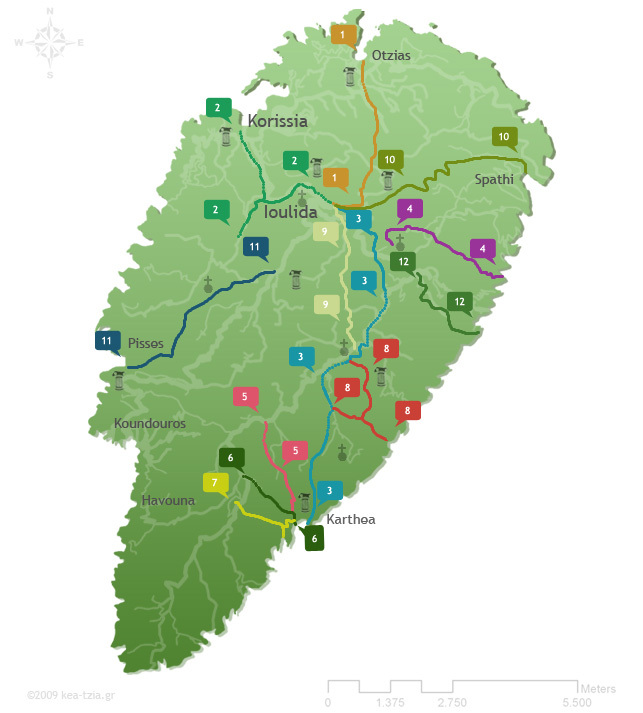
- discover the archeological sites
- trace other beauties of the past, monuments, monasteries, towers, Venetian heritage, neoclassical architecture
- hike to uncover surprising natural treasures, especially follow the ancient paths and enjoy the inland oak tree forests
- swim in the endless blue of the Aegean Sea
- sail to secluded beaches
- partake in a series of water sports or fishing adventures, surf and scuba dive, or experience yoga retreats
- discover the famous traditional feasts and summer festivals
- relish exceptional local delicacies
- read in the balcony, listening nothing than the sea splash
You can reach Kea by frequent ferry boats, starting from Lavrio port, which is located 20 minutes’ drive from Athens Eleftherios Venizelos international airport and 50-60 minutes from Athens city center. The boat from Lavrio to Kea and vice versa is direct, and the trip takes 1 hour.
Lavrio can be reached by car or taxi or public transport from both the center of Athens and the airport.
From Kea, there is also direct connections to the islands of Kythnos, Syros, Serifos, Sifnos and Milos.
Transportation to and around the island is preferably made by car. Hiring a car or motorcycle or scooter in Athens, or at the airport or upon arrival to the island would be an ideal choice.
We’ll be pleased to advice on your overall travel and support your entire schedule and logistics, so that you enjoy a comfortable journey.
A great number of websites, literature and books on Kea may provide plenty of information to the visitor of the island.
Fundamental information can be found at the following websites:
http://www.kea-tzia.gr/
http://kea.gr
https://praktoreiokeas.gr/